Kia Sorento Hybrid Mileage 2026 — 15-17 Kmpl, Saves ₹5,000/Month vs Fortuner Diesel
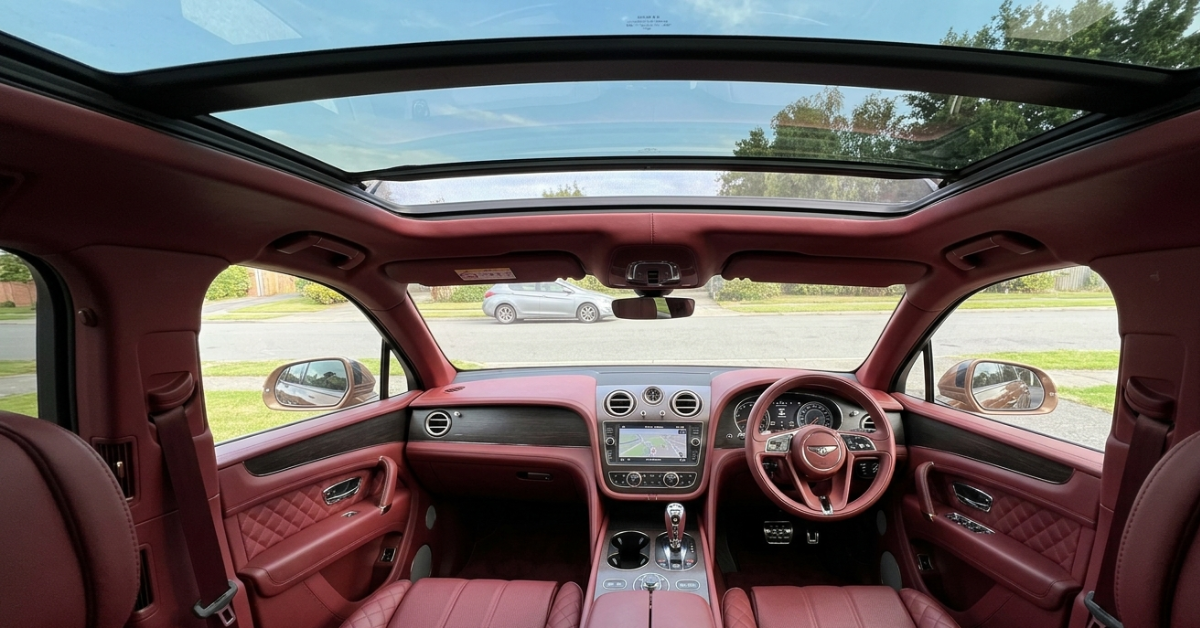
The Kia Sorento Hybrid mileage is 15-17 kmpl (expected real-world) — making it the most fuel-efficient 7-seater SUV above ₹35 lakh in India. The 1.6L turbo engine + 59 HP electric motor delivers 238 HP combined while saving ₹4,000-5,000 per month on fuel compared to a Toyota Fortuner diesel. It's a self-charging hybrid — no plug, no charger, no infrastructure needed. Just fill petrol at any normal pump.
Below we explain exactly how the hybrid system works, real-world mileage in city vs highway, monthly fuel cost comparisons with diesel SUVs, battery warranty details, and whether the Sorento Hybrid makes financial sense for Indian buyers.
🔑 Quick Numbers: 1.6L Turbo GDI + 59 HP Electric Motor + Li-ion Battery + 6AT = 238 HP combined | Expected 15-17 kmpl | ₹3,000-5,000/month cheaper than Fortuner diesel | No external charging needed — self-charging hybrid
Advertisement
How the Sorento Hybrid System Works
The Kia Sorento uses a strong hybrid (HEV) system — not a mild hybrid or plug-in hybrid. Here's what that means:
| Component | Specification | Role |
|---|---|---|
| Petrol Engine | 1.6L Turbo GDI (Smartstream) | Primary power source — 180 HP alone |
| Electric Motor | 59 HP / 264 Nm (PMSM) | Assists engine, drives alone at low speed |
| Battery | 1.49 kWh Lithium-Ion | Stores recovered energy, powers motor |
| Combined Output | 238 HP / 380 Nm | Total system power (not additive) |
| Transmission | 6-Speed Automatic | Optimized for hybrid efficiency |
| Drivetrain | AWD (All-Wheel Drive) | Power to all 4 wheels when needed |
⚡ Key Difference — Strong Hybrid vs Mild Hybrid: A mild hybrid (like Maruti's SHVS) only assists the engine — it can never drive alone on electric. The Sorento's strong hybrid can drive on electric power alone at speeds up to 50-60 km/h — meaning in city traffic jams, the petrol engine stays OFF and you're running on free electricity. This is why the mileage improvement is dramatic (30-40% better than a pure petrol).
How It Saves Fuel — Step by Step
The hybrid system saves fuel in four key ways:
- 1. Electric-Only Driving (City): At speeds below 50-60 km/h (parking, crawling in traffic, residential areas), the car runs entirely on the electric motor. Petrol engine stays off = zero fuel consumption during these moments.
- 2. Regenerative Braking: Every time you brake or lift off the accelerator, the electric motor works as a generator — converting kinetic energy back into electricity stored in the battery. In city stop-go traffic, this constantly recharges the battery for free.
- 3. Engine Assist (Acceleration): During hard acceleration (overtaking, merging), both the petrol engine and electric motor work together — giving you 238 HP without the fuel penalty of a large displacement engine.
- 4. Intelligent Shutdown: At traffic lights, coasting on highways, and during deceleration, the petrol engine completely shuts off. Unlike start-stop systems, the electric motor keeps AC and all electronics running seamlessly.
The result: In typical Indian city driving (heavy traffic, frequent stops), the hybrid system can improve fuel efficiency by 35-45% compared to a pure petrol engine of similar power. On highways at steady speeds, the improvement is 15-20%.
Expected Mileage — Sorento Hybrid
| Driving Condition | Expected Mileage | Notes |
|---|---|---|
| ARAI Claimed (expected) | 17 – 18 kmpl | Lab-tested, ideal conditions |
| City (stop-go traffic) | 13 – 15 kmpl | Heavy electric assist = great city numbers |
| Highway (80-100 km/h) | 15 – 17 kmpl | Engine efficient at cruise, regen on decel |
| Mixed (city + highway) | 14 – 16 kmpl | Realistic daily commute average |
| Aggressive Driving | 10 – 12 kmpl | Heavy throttle depletes battery faster |
| Realistic Average | ~14-15 kmpl in real-world Indian conditions | |
Mileage figures are estimated based on global Sorento Hybrid data and similar hybrid systems (Kia Sportage HEV, Hyundai Tucson HEV). Actual Indian figures will depend on traffic conditions, AC usage, and driving style.
Must-Have Accessories for Your Vehicle
Top-rated accessories every vehicle owner should consider:



Mileage Comparison — Sorento vs Diesel SUVs
How does the Sorento Hybrid stack up against its diesel and petrol competitors?
| SUV | Engine | Claimed Mileage | Real-World (approx.) |
|---|---|---|---|
| Kia Sorento Hybrid | 1.6L Turbo Hybrid | 17-18 kmpl | 14-15 kmpl |
| Toyota Fortuner | 2.8L Diesel | 10-12 kmpl | 8-10 kmpl |
| Mahindra XUV700 Diesel | 2.2L Diesel | 14-16 kmpl | 12-14 kmpl |
| VW Tayron | 2.0L TSI Petrol | 12-14 kmpl | 10-12 kmpl |
| Skoda Kodiaq | 2.0L TSI Petrol | 12-13 kmpl | 9-11 kmpl |
| MG Majestor | 2.0L Turbo Petrol | 11-13 kmpl | 9-11 kmpl |
📊 Key Insight: The Sorento Hybrid matches or beats diesel SUVs in mileage while using petrol — which is more widely available and better for engine refinement. Against pure petrol SUVs (Tayron, Kodiaq), the Sorento is 30-40% more efficient. The only SUV that comes close is the XUV700 diesel — but it's in a lower segment.
Advertisement
Monthly Fuel Cost Comparison
Here's what each SUV costs to run per month assuming 1,500 km of driving (typical Indian family usage):
| SUV | Fuel Type | Price/Litre (Aug 2026) | Real Mileage | Monthly Cost (1500 km) |
|---|---|---|---|---|
| Kia Sorento Hybrid | Petrol | ₹105 | 14 kmpl | ₹11,250 |
| Toyota Fortuner | Diesel | ₹93 | 9 kmpl | ₹15,500 |
| VW Tayron | Petrol | ₹105 | 11 kmpl | ₹14,318 |
| Skoda Kodiaq | Petrol | ₹105 | 10 kmpl | ₹15,750 |
| MG Majestor | Petrol | ₹105 | 10 kmpl | ₹15,750 |
| XUV700 Diesel | Diesel | ₹93 | 13 kmpl | ₹10,730 |
| Comparison | Monthly Saving | Annual Saving | 5-Year Saving |
|---|---|---|---|
| Sorento vs Fortuner | ₹4,250 | ₹51,000 | ₹2,55,000 |
| Sorento vs Tayron | ₹3,068 | ₹36,818 | ₹1,84,090 |
| Sorento vs Kodiaq | ₹4,500 | ₹54,000 | ₹2,70,000 |
| Sorento Hybrid saves ₹2-2.7 lakh over 5 years vs competitors on fuel alone | |||
Over a typical 5-year ownership period, the Sorento Hybrid saves enough on fuel to cover 1-2 annual service costs or a significant portion of insurance renewals. The savings are most dramatic for high-mileage users (2000+ km/month).
Sorento Diesel Option — 2.2L CRDi
For buyers who still prefer diesel, Kia may offer a 2.2L CRDi turbo diesel variant alongside the hybrid:
| Spec | Diesel Variant (if offered) |
|---|---|
| Engine | 2.2L CRDi Turbo Diesel (Smartstream D2.2) |
| Power | ~200 HP |
| Torque | ~440 Nm |
| Transmission | 8-Speed Dual Clutch (DCT) |
| Expected Mileage | 13-15 kmpl |
| Drivetrain | AWD (expected) |
| Best For | Buyers who prefer diesel torque and longer range per tank |
The diesel variant would appeal to highway-heavy drivers and those in regions where diesel is significantly cheaper. However, the hybrid offers comparable mileage with a smoother, quieter driving experience and lower NVH (noise, vibration, harshness) — making it better for city and family use.
💡 Our Take: Unless you drive 3000+ km/month predominantly on highways, the hybrid variant is the smarter choice. It's quieter, smoother, equally efficient, and future-proofed against potential diesel restrictions in metros. The 8-speed DCT diesel is excellent for towing/heavy use though.
Hybrid Battery — Warranty & Maintenance
One of the biggest concerns Indian buyers have about hybrids is battery life and replacement cost. Here's what to expect:
| Battery Type | Lithium-Ion (Li-ion polymer) |
| Battery Capacity | 1.49 kWh |
| Battery Warranty (expected) | 8 years / 1,60,000 km |
| Vehicle Warranty | 5 years unlimited km (Kia standard) |
| Battery Replacement Cost (if needed) | ₹1.5-2.5 lakh (estimated) |
| Expected Battery Life | 10-15 years / 3,00,000+ km |
| External Charging Needed? | NO — self-charging via regeneration |
| Special Maintenance Needed? | Minimal — coolant check, software updates |
🔋 No Charging Required: The Sorento is a self-charging hybrid — you never plug it in. The battery charges automatically through regenerative braking and engine-driven generation. You fuel it at a normal petrol pump just like any other car. There's no range anxiety, no charging infrastructure dependency, and no change in daily habits.
Hybrid Maintenance — Is It More Expensive?
Hybrid systems actually have lower maintenance costs than conventional engines in several areas:
- Brake Pads Last Longer: Regenerative braking does 60-70% of slowing — mechanical brakes wear much less. Expect 50-80% longer brake pad life.
- Engine Oil Changes: Same interval as petrol — every 10,000 km or 12 months
- No Extra Consumables: The hybrid system has no belts, no additional fluids (except battery coolant every 5 years), no spark plugs for the motor
- Annual Maintenance Cost: Expected ₹8,000-12,000 per year — comparable to a regular petrol Kia
- Transmission: The 6-speed AT is proven in Kia's global lineup — reliable and serviceable at any Kia dealer
Recommended Vehicle Accessories — Protect Your Investment
Essential accessories every owner should have from day one:
Tips to Maximise Hybrid Mileage
Get the most out of your Sorento Hybrid with these driving habits:
| Tip | Expected Improvement | How It Works |
|---|---|---|
| Gentle acceleration from stops | +10-15% | Allows electric motor to do more work before engine kicks in |
| Use ECO drive mode in city | +5-8% | Limits throttle response, prioritises electric driving |
| Anticipate stops (coast to brake) | +8-12% | More time for regen braking = more battery charge recovered |
| Maintain steady highway speed (80-90 km/h) | +5-10% | Sweet spot where engine is most efficient |
| Keep tyres at correct pressure | +3-5% | Lower rolling resistance = less energy needed |
| Reduce AC to optimal (not max) | +5-8% | Electric AC compressor uses battery — less drain = more assist available |
| Avoid rooftop carriers when not needed | +3-5% | Reduces aerodynamic drag at highway speeds |
By following these habits consistently, many hybrid owners achieve better-than-claimed mileage. The Sorento's hybrid system rewards smooth, anticipatory driving significantly more than aggressive stop-start driving.
🎯 Pro Tip for New Hybrid Owners: The Sorento's instrument cluster shows real-time energy flow — watch the arrows showing when the battery is charging (green) and when the electric motor is assisting (blue). After a week of observing this, most drivers naturally adapt their driving style and see 2-3 kmpl improvement without trying. The system teaches you to drive efficiently.
Range Per Tank — How Far Can You Go?
| Driving Condition | Tank (67L) | Estimated Range |
|---|---|---|
| City-only driving (13-15 kmpl) | 67 litres | 870 – 1,005 km |
| Highway-only (15-17 kmpl) | 67 litres | 1,005 – 1,139 km |
| Mixed real-world (14-15 kmpl) | 67 litres | 938 – 1,005 km |
| Practical range (with reserve) | ~60 litres usable | 840 – 1,020 km per fill-up |
A range of 900+ km per tank means Delhi to Jaipur and back on a single fill. Or Mumbai to Goa without stopping for fuel. This eliminates one of the few disadvantages petrol cars traditionally had vs diesel — range per tank. The Sorento Hybrid matches diesel SUV range while using petrol.
Advertisement
City vs Highway — Where Does Hybrid Shine Most?
Understanding when the hybrid system works hardest helps set realistic mileage expectations:
| Driving Scenario | Hybrid Advantage | Expected Improvement vs Petrol-Only |
|---|---|---|
| Heavy city traffic (stop-go) | Maximum — electric-only mode dominates | +40-50% better mileage |
| Suburban mixed driving | High — frequent regen + electric assist | +30-40% better mileage |
| Highway cruising (80-100 km/h) | Moderate — engine efficient, regen on decel | +15-20% better mileage |
| Highway spirited (120+ km/h) | Low — engine dominates at high RPM | +5-10% better mileage |
| Hill climbing (ghats) | Moderate — motor assists on ascent | +20-25% better (regen on descent) |
| AC on (stationary/idle) | High — electric compressor, engine off | Significant saving vs diesel idling |
Bottom line: If you live in a metro city (Delhi, Mumbai, Bangalore, Hyderabad) with heavy traffic, the hybrid system works overtime and delivers maximum fuel savings. Highway-only users will see smaller gains but still benefit from the combined powertrain smoothness.
Climate Impact on Hybrid Mileage
Indian conditions affect hybrid mileage differently than pure petrol/diesel:
| Summer (40°C+, AC full blast) | Mileage drops 5-8% — AC uses battery power too |
| Winter (10-15°C) | Best mileage — battery optimal, less AC needed |
| Monsoon (frequent braking) | Good — more regenerative braking = more battery charge |
| Extreme cold (below 5°C, hill stations) | Mileage drops 10-15% — battery less efficient in extreme cold |
For most of India's climate (25-40°C), the hybrid system operates within its optimal range. The lithium-ion battery has thermal management (liquid cooling) to handle high temperatures — this is the same system used in Kia's global markets including Middle East and Southeast Asia.
Common Hybrid Myths — Debunked
Many Indian buyers have misconceptions about hybrid cars. Let's clear them up:
| Myth | Reality |
|---|---|
| "Hybrid batteries die in 3-4 years" | Modern Li-ion batteries last 10-15 years. Kia offers 8-year warranty. Toyota's hybrid taxis run 5+ lakh km on original batteries. |
| "Battery replacement costs ₹10 lakh+" | Estimated ₹1.5-2.5 lakh if needed (unlikely within warranty). Individual cell replacement possible — not always full pack. |
| "Hybrids have no power" | Sorento Hybrid: 238 HP. Faster than Fortuner diesel (204 HP) to 100 km/h. Electric torque is instant. |
| "Hybrid cars can't go on long trips" | The Sorento uses petrol — 67L tank gives 900+ km range. No charging stops needed. Drive exactly like a normal car. |
| "Mechanics can't service hybrids" | Kia dealers are trained for hybrid service. The petrol engine service is identical to any Kia. Only the hybrid system needs Kia-specific expertise (software updates). |
| "Hybrids don't work in Indian heat" | The battery has liquid thermal management. Same system operates in UAE (50°C+) and Southeast Asia without issues. |
Affiliate Disclosure: We may earn a small commission if you purchase through these links at no extra cost to you. This helps us keep OnRoadCost free and updated.
Frequently Asked Questions
What is the mileage of Kia Sorento Hybrid?
Expected 15-17 kmpl (claimed). Real-world average approximately 14-15 kmpl in mixed city-highway driving. City-only mileage can be 13-15 kmpl thanks to heavy electric motor assist in stop-go traffic.
Does Kia Sorento Hybrid need charging?
No — the Sorento is a self-charging hybrid (HEV), not a plug-in hybrid (PHEV). The battery charges automatically via regenerative braking and engine-driven generation. You fill petrol at a normal pump just like any regular car. No charger, no plug, no infrastructure needed.
What is the battery warranty on Kia Sorento Hybrid?
Expected 8 years or 1,60,000 km warranty on the hybrid battery — whichever comes first. This is in addition to Kia's standard 5-year unlimited-km vehicle warranty. Modern hybrid batteries typically last 10-15 years in normal use.
Is hybrid maintenance more expensive than diesel?
No — hybrid maintenance is typically equal to or cheaper than diesel. The electric motor has no consumables, regenerative braking extends brake pad life by 50-80%, and there's no DPF (diesel particulate filter) to worry about. Expected annual service cost: ₹8,000-12,000.
Can Kia Sorento run on electric only?
Yes — at speeds below 50-60 km/h (city traffic, parking, residential areas), the Sorento can drive on electric power alone with the petrol engine completely off. This is automatic — you don't need to select an EV mode. The system intelligently decides when to use electric vs petrol.
Sorento Hybrid vs Fortuner Diesel — which saves more fuel?
Sorento Hybrid saves approximately ₹4,000-5,000 per month on fuel vs Fortuner diesel (at 1,500 km/month). Over 5 years, that's ₹2.5+ lakh saved. The Sorento achieves 14-15 kmpl real-world vs Fortuner's 8-10 kmpl, despite petrol being more expensive per litre than diesel.
Final Verdict — Is Sorento Hybrid Worth It for Mileage?
Absolutely yes. The Kia Sorento Hybrid delivers a rare combination:
- 238 HP performance — more powerful than the Fortuner, Kodiaq, and XUV700
- 15-17 kmpl efficiency — best-in-class for a 7-seater above ₹35 lakh
- ₹2.5 lakh saved over 5 years vs Fortuner diesel on fuel
- No charging hassle — self-charging, uses normal petrol pumps
- Lower maintenance — longer brake life, no DPF, no diesel-specific issues
- Quieter & smoother — electric motor eliminates diesel clatter
For Indian buyers who primarily drive in cities and occasionally take highway trips, the Sorento Hybrid is the most financially sensible premium 7-seater you can buy. The only scenario where diesel makes more sense is 3000+ km/month pure highway driving or heavy towing needs — in which case, wait for the diesel variant or consider the Fortuner.
📋 Calculate your monthly fuel savings with the Sorento Hybrid vs your current car
Compare All SUV Costs →Advertisement
Written by Rajiv Sah
Founder, OnRoadCost & Josh Riders | info@onroadcost.com