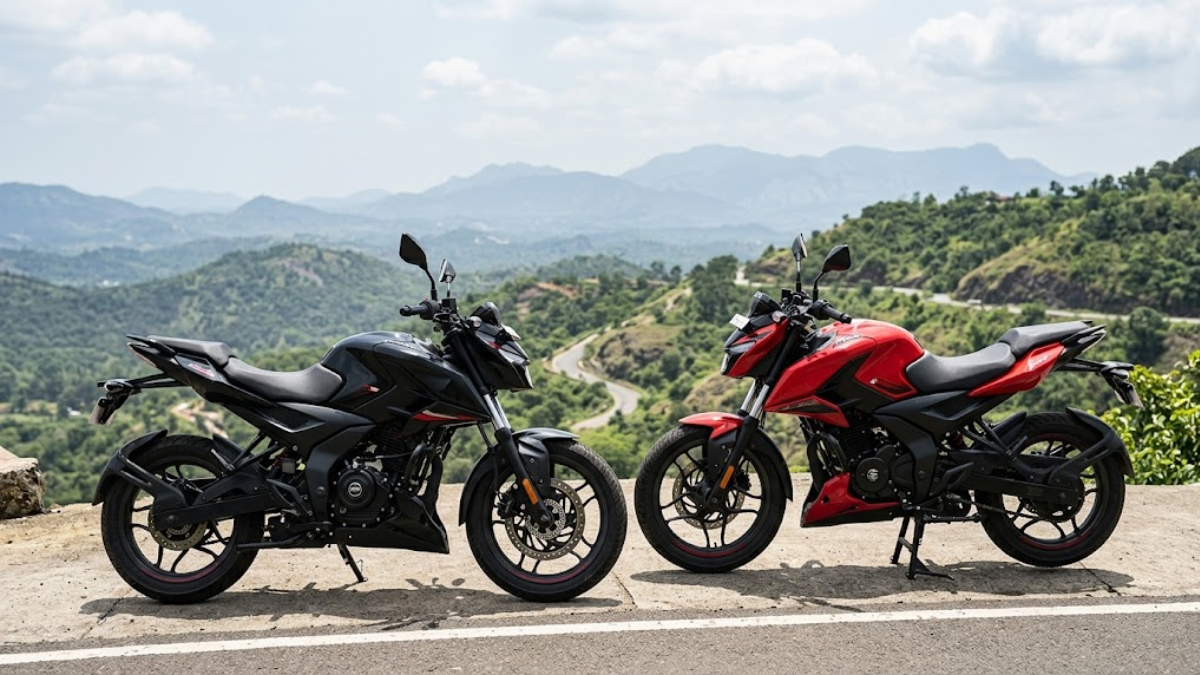
TVS Apache RTR 160 4V vs Bajaj Pulsar NS160 — 2026 Comparison (Price, Mileage, Performance)
Quick Verdict: The Apache RTR 160 4V wins on performance, features, and tech (17.63 PS, SmartXonnect, GTT, dual ABS). The Pulsar NS160 wins on price and highway stability (₹7K cheaper, better top-end pull). Choose Apache for city+tech; choose Pulsar for value+touring.
The TVS Apache RTR 160 4V vs Bajaj Pulsar NS160 is the most searched comparison in the 160cc segment — and for good reason. Both are 4-valve engines making 17+ PS, both look sporty, and both cost between ₹1.35-1.55 lakh on-road. But the riding experience, features, and value proposition are very different. We've ridden both extensively and here's our head-to-head breakdown.
Advertisement
Spec Sheet — Head to Head
| Parameter | Apache RTR 160 4V | Pulsar NS160 |
| Engine | 159.7cc Oil-Cooled 4V | 160.3cc Oil-Cooled 4V |
| Power | 17.63 PS @ 9250 | 17.2 PS @ 9000 |
| Torque | 14.73 Nm @ 7250 | 14.65 Nm @ 7250 |
| Transmission | 5-Speed | 5-Speed |
| Kerb Weight | 152 kg | 150 kg |
| Top Speed | 114 km/h | 112 km/h |
| 0-60 km/h | 4.7 sec | 4.9 sec |
| Fuel Tank | 12 litres | 12 litres |
| Mileage (City) | 42 km/l | 40 km/l |
| Mileage (Highway) | 48 km/l | 45 km/l |
| Front Brake | 270mm Disc | 260mm Disc |
| ABS | Dual-Channel (top) | Single-Channel |
| Display | Full Digital + BT | Semi-Digital |
| Bluetooth | SmartXonnect ✓ | ✗ |
| Riding Modes | Urban + Sport | ✗ |
| Ex-Showroom | ₹1,22,000 | ₹1,15,000 |
| On-Road (Approx) | ₹1,42,000 | ₹1,35,000 |
Performance — Apache Edges Ahead
The power difference is marginal on paper (17.63 vs 17.2 PS), but the Apache feels noticeably quicker in the mid-range thanks to TVS's 4-valve head design and GTT technology. The Apache pulls harder between 4000-7000 RPM — exactly where city riding happens. The Pulsar NS160 has slightly better top-end pull beyond 8000 RPM, making it marginally better for sustained highway speeds.
Better mid-range punch
Quicker 0-60 (4.7s)
Smoother low-speed
Better top-end rev
More linear power
Less vibration at high RPM
Mileage — Apache Wins Here Too
| Condition | Apache 160 4V | Pulsar NS160 |
| City Traffic | 38-42 km/l | 36-40 km/l |
| City Mixed | 42-44 km/l | 40-42 km/l |
| Highway (80 km/h) | 48-50 km/l | 44-46 km/l |
| Running Cost | ₹2.5/km | ₹2.7/km |
The Apache's 4-valve combustion chamber is slightly more efficient, and GTT technology helps in traffic. The Pulsar's slightly heavier flywheel consumes marginally more fuel in stop-and-go conditions.
Advertisement
Features & Technology — Apache Dominates
| Feature | Apache 160 4V | Pulsar NS160 |
| SmartXonnect Bluetooth | ✓ | ✗ |
| Navigation on Cluster | ✓ | ✗ |
| Call/SMS Alerts | ✓ | ✗ |
| Riding Modes | Urban + Sport | ✗ |
| GTT Technology | ✓ | ✗ |
| LED Headlamp | ✓ | ✓ |
| Dual-Channel ABS | ✓ (top variant) | ✗ |
| Gear Position Indicator | ✓ | ✓ |
The Apache RTR 160 4V is a generation ahead in features. SmartXonnect gives you turn-by-turn navigation, call alerts, ride stats, and lean angle data — all on the cluster. The Pulsar NS160 has a basic semi-digital console with no connectivity. For 2026, the feature gap is significant.
Ride Quality & Comfort
Apache RTR 160 4V — Ride
- • Better low-speed maneuverability
- • GTT makes traffic riding relaxed
- • Slightly sportier (committed) riding position
- • Stiffer suspension — better for spirited riding
- • Wider rear tyre (130mm) — more grip
Pulsar NS160 — Ride
- • More upright & comfortable position
- • Softer suspension — better bump absorption
- • Better pillion comfort
- • Lower seat height — easier for shorter riders
- • Lighter steering — less effort in traffic
Price & Value Comparison
| Variant Match | Apache 160 4V | Pulsar NS160 |
| Base (Single Disc) | ₹1,42,000 | ₹1,35,000 |
| Dual Disc + ABS | ₹1,48,000 | ₹1,42,000 |
| Top Variant | ₹1,55,000 | ₹1,45,000 |
| Price Difference | Apache is ₹7,000-10,000 costlier | |
💡 Value Analysis: The ₹7K premium for the Apache gets you SmartXonnect Bluetooth, riding modes, GTT, dual-ABS option, and 0.43 PS more power. That's arguably the best ₹7,000 you'll spend — the tech alone is worth ₹5K+ compared to aftermarket alternatives. The Pulsar only wins if budget is tight and features don't matter to you.
Our Verdict — Who Should Buy What?
🏆 Buy Apache RTR 160 4V if:
- You want the most features under ₹1.5L
- City commuting is primary use
- You value SmartXonnect & connectivity
- Safety matters (dual ABS available)
- You want better fuel efficiency
- You prefer sporty styling & aggressive stance
Buy Pulsar NS160 if:
- Budget is tight — save ₹7-10K
- You prefer comfortable riding posture
- Highway touring with pillion is common
- You're shorter — lower seat height helps
- Bajaj service network is better locally
- You don't care about Bluetooth/tech
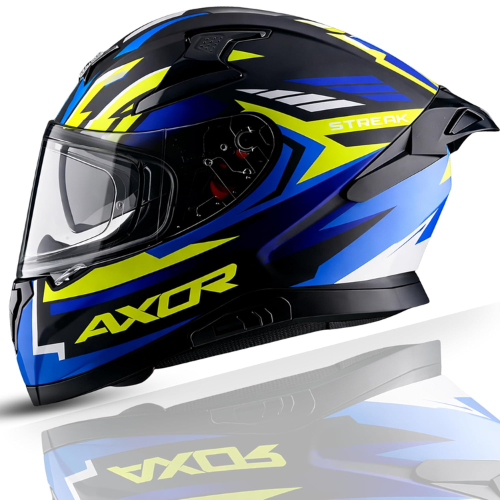
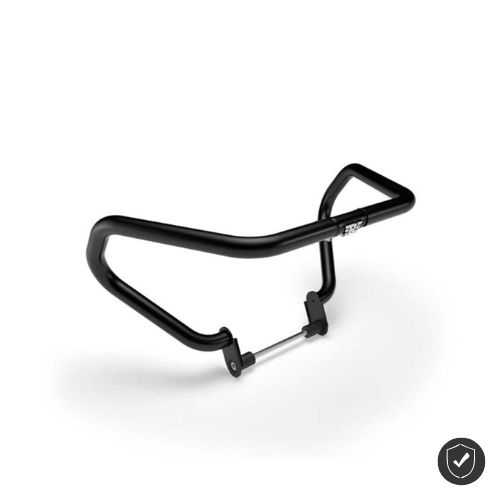
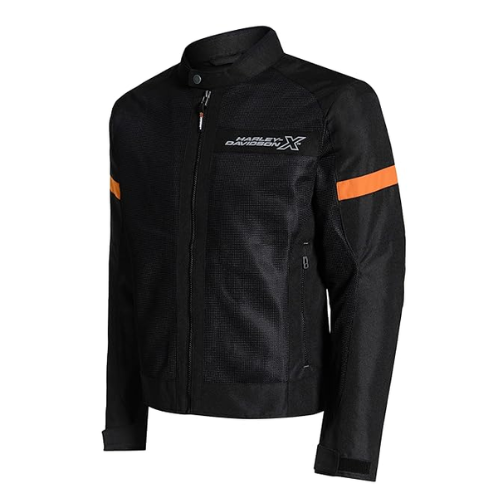
🔥 Essential Riding Gear
Frequently Asked Questions
Which is better — Apache RTR 160 4V or Pulsar NS160?
Apache RTR 160 4V is the better overall package. It has more power (17.63 vs 17.2 PS), better mileage (42 vs 40 KMPL), SmartXonnect Bluetooth, riding modes, and dual ABS option. Pulsar NS160 is ₹7K cheaper and more comfortable for touring.
Which has better mileage — Apache 160 or NS160?
Apache RTR 160 4V gives 2-3 km/l better mileage. City: 42 vs 40 km/l. Highway: 48 vs 45 km/l. The 4-valve efficiency and GTT technology give it the edge.
Is Apache RTR 160 4V worth ₹7,000 more than Pulsar NS160?
Yes. For ₹7K extra you get SmartXonnect Bluetooth, riding modes (Urban/Sport), GTT technology, better mileage, and dual-channel ABS option. The tech gap alone justifies the premium.
Which is faster — Apache 160 4V or Pulsar NS160?
Apache 160 4V is slightly faster. 0-60 in 4.7s vs 4.9s, top speed 114 vs 112 km/h. The Apache has better mid-range punch while the Pulsar pulls slightly better near redline.
Which has better resale value?
Pulsar NS160 historically holds slightly better resale (~65% after 3 years) vs Apache (~60%). Bajaj's brand perception in the used market is marginally stronger for Pulsar.
Advertisement
Also read: Apache RTR 160 4V On-Road Price | Apache 160 4V Mileage Test | Apache 160 vs Yamaha FZ-S V4
Written by Rajiv Sah
Founder, OnRoadCost & Josh Riders | info@onroadcost.com