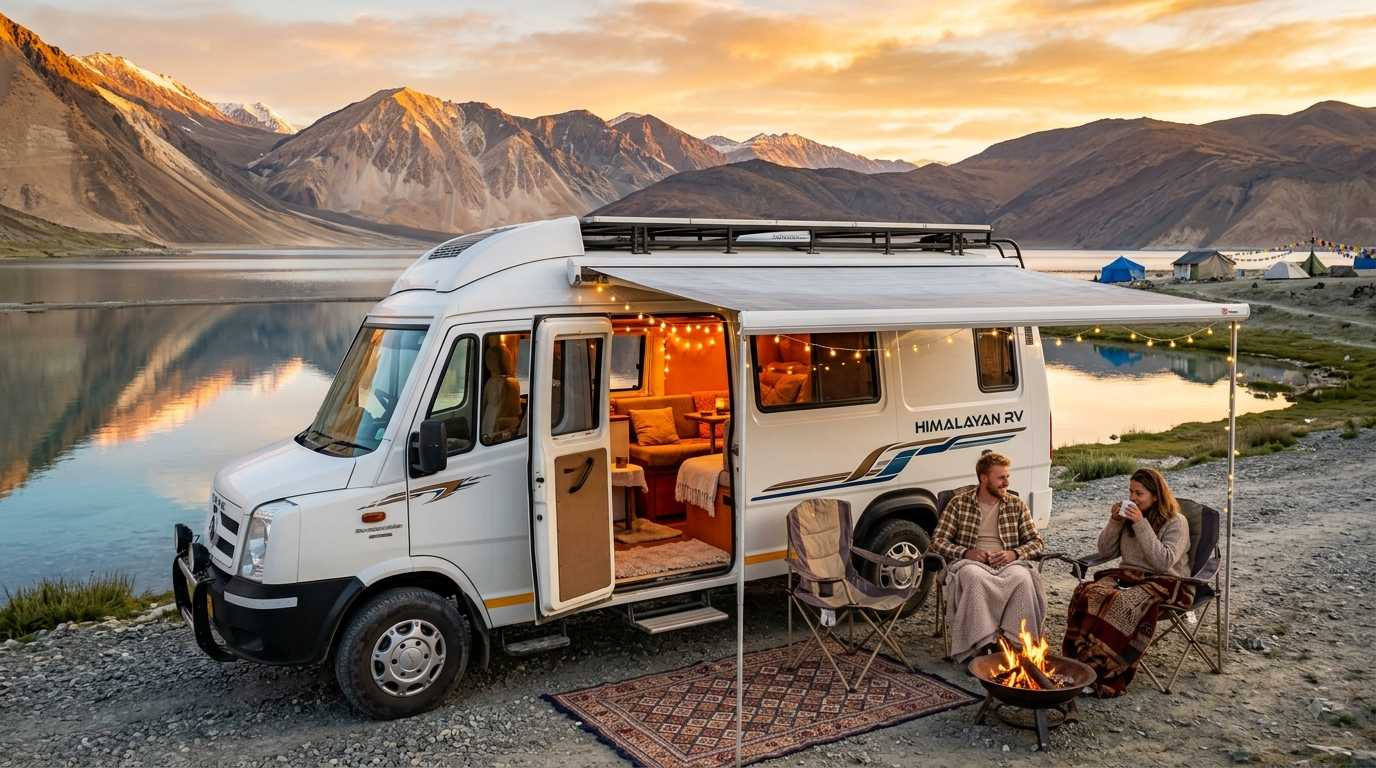
Caravan in India 2026 — Everything You Need to Know About Buying, Renting & Living
A caravan in India is no longer a dream — it's a growing reality with 50+ active vanlifers, 15+ builders, and options starting at ₹5 lakh. Whether you want to buy, rent, or build your own home on wheels, 2026 is the best time to start. India's caravan ecosystem has matured dramatically — you can now rent a caravan for a Ladakh trip, buy a factory-built motorhome, or commission a custom build from experienced workshops. This comprehensive guide covers everything: types of caravans, how to buy or rent, legal requirements, best routes, running costs, and what van life in India actually looks like in 2026.
⚡ Quick Overview — Caravan in India 2026:
🚐 Buy Price: ₹5 Lakh to ₹80 Lakh (DIY to luxury imports)
🏕️ Rent Price: ₹5,000 to ₹15,000/day (self-drive or with driver)
🔧 Builders: 15+ active across India (Delhi, Bangalore, Pune, Mumbai)
🗺️ Best Routes: Ladakh, Rajasthan, Himachal, Kerala, Goa Coast
📋 Legal: Registered as "Motor Caravan" — fully legal in all states
⛽ Running Cost: ₹25,000-35,000/month (1,500-2,000 km travel)
Advertisement
What is a Caravan? Types Available in India
A caravan is a vehicle equipped with living facilities — bed, kitchen, storage, and often a bathroom — allowing you to travel and live on the road. In India, three main types of caravans exist, each suited for different use cases and budgets:
| Type | Description | Price Range | Best For |
|---|---|---|---|
| Camper Van | Compact van converted with bed, basic kitchen, 12V system. Drives like a regular van. | ₹5-15 L | Couples, weekend trips, city parking |
| Motorhome | Self-propelled large vehicle with full living quarters — bedroom, kitchen, bathroom, living area. | ₹15-80 L | Families, extended travel, full-time living |
| Towable Trailer | Non-motorized caravan towed behind an SUV or pickup. Detaches at campsite for separate vehicle use. | ₹4-20 L | Stationary camping, farmhouse stays, those with tow vehicle |
In India, the motorhome (self-driving caravan built on a commercial vehicle chassis) is the most popular choice because it eliminates the need for a separate tow vehicle and handles Indian roads better than a trailer. The camper van segment is growing fastest thanks to affordable base vehicles like the Mahindra Veero and Eicher Pro X.
Key difference from Western markets: In India, most caravans are custom-built rather than factory-produced. You buy a base commercial vehicle (Traveller, Urbania, Veero) and have a builder convert it into a caravan. This means every Indian caravan is somewhat unique — tailored to the owner's needs, routes, and budget.
Caravan Market in India 2026 — Current State & Growth
India's caravan market has transformed from a niche curiosity to a legitimate travel and lifestyle segment in just 4 years. Here's where things stand in 2026:
📈 Market Growth Indicators
• 15+ professional caravan builders operating across India (vs 3-4 in 2021)
• 50+ full-time vanlifers documenting their journeys on YouTube and Instagram
• 200+ caravans delivered by top builders in 2025 alone
• ₹100+ crore estimated annual market size (vehicles + rentals + accessories)
• 5 caravan rental companies operating in multiple states with combined fleet of 80+ vehicles
• Kerala, Rajasthan, Himachal — first states to announce caravan tourism policies
Why now? Three factors are driving India's caravan revolution: (1) Remote work culture making "travel while working" possible, (2) Social media normalizing van life as aspirational rather than eccentric, and (3) Indian vehicle manufacturers finally offering caravan-friendly platforms like Mahindra Veero and Force Urbania with factory support for conversions.
The market is still early-stage compared to Australia or the US (where caravan ownership exceeds 5% of households), but India is on a steep growth curve. Expect 10x growth by 2030 as campsite infrastructure improves and financing options become available through NBFCs.
Advertisement
How to BUY a Caravan in India — 3 Routes
Buying a caravan in India isn't like buying a car. There's no "showroom" experience yet. You have three distinct paths, each with trade-offs:
Route 1: Ready-Made / Factory-Built
What: Buy a pre-built caravan from an established builder with fixed layouts and pricing.
Cost: ₹10-30 lakh (Eicher Pro X ₹10.3L, Traveller builds ₹18-25L)
Pros: Fastest delivery (2-4 weeks), warranty, tested design, no design headaches
Cons: Limited customization, may not perfectly suit your needs
Best for: First-time buyers who want reliability over personalization
Top options: Eicher Pro X Caravan, Motohom Traveller Series, Pinnacle Caravans Urbania
Route 2: Custom-Built by Professional Builder
What: You choose the base vehicle, work with a builder on layout/specs, they build it for you.
Cost: ₹15-60 lakh (base vehicle + ₹5-30L build cost depending on specs)
Pros: Fully personalized, choose every component, layout fits your lifestyle exactly
Cons: 45-120 day build time, quality varies by builder, higher cost, need to manage project
Best for: Experienced travelers who know exactly what they want
Top builders: Motohom (Pune), Wanderlust India (Delhi), Caravan India (Bangalore), Pinnacle (Mumbai), Van Vagabond (Hyderabad)
Route 3: DIY (Do It Yourself)
What: Buy a base vehicle and build the interior yourself (or hire local carpenters/electricians).
Cost: ₹5-15 lakh total (base ₹3-8L + build ₹2-7L in materials/labor)
Pros: Cheapest option, complete creative control, deeply satisfying, learn skills
Cons: Takes 3-6 months, quality depends on your skill, no warranty, RTO complications
Best for: Handy people on a budget, those who enjoy the build process
Popular base vehicles: Maruti Eeco (₹5L), Tata Winger (₹8L), Used Force Traveller (₹6-8L)
💡 Buying Checklist (applies to all routes):
✅ Visit builder's workshop and inspect past builds in person
✅ Ask for 3 references from previous customers — call them
✅ Get detailed quote in writing with payment milestones (never 100% upfront)
✅ Ensure RTO registration support is included in the package
✅ Verify power system sizing matches your actual usage (AC = double the battery)
✅ Check warranty terms for both base vehicle and conversion separately
For a detailed price breakdown of every option, read our comprehensive guide: Caravan Price in India 2026 — ₹5 Lakh to ₹80 Lakh Complete List.
How to RENT a Caravan in India — Companies, Prices & Routes
Not ready to buy? Renting is the smartest way to experience caravan travel without a ₹10-30 lakh commitment. India's rental market has matured significantly in 2026:
| Rental Company | Locations | Price/Day | Fleet Type | Self-Drive? |
|---|---|---|---|---|
| Carvaa | Delhi, Jaipur, Manali | ₹7,000-12,000 | Traveller-based, 4-6 berth | Yes + with driver |
| Motorhome Adventures | Mumbai, Goa, Pune | ₹8,000-15,000 | Luxury Urbania builds | Driver only |
| WanderOn Caravans | Bangalore, Kerala, Hampi | ₹5,000-9,000 | Mini caravans, 2-4 berth | Self-drive |
| Camp Jeep India | Himachal, Uttarakhand | ₹6,000-10,000 | Veero/Winger campers | Self-drive |
| Hippie Trail Caravans | Goa, Karnataka coast | ₹5,000-8,000 | Vintage bus conversions | Driver only |
Rental pricing works like this: Base rate is ₹5,000-15,000/day depending on caravan size and season. Peak season (Oct-Feb for Rajasthan, May-June for Himachal) costs 30-50% more. Most rentals include a minimum 3-day booking. Fuel, tolls, and campsite fees are extra. Some companies offer weekly packages at 15-20% discount.
📋 What's Typically Included in Rental:
✅ Fully equipped kitchen (stove, utensils, fridge)
✅ Bedding and linen for all berths
✅ Power system (charged battery, solar panels)
✅ Fresh water tank (filled at start)
✅ Basic insurance coverage
✅ 24/7 roadside assistance
❌ Fuel, tolls, campsite fees (your cost)
❌ Security deposit ₹10,000-25,000 (refundable)
Pro tip: Rent for at least 5-7 days before deciding to buy. This gives you real experience with space management, power consumption, driving a larger vehicle, and campsite logistics. Many buyers regret not renting first — your actual needs differ significantly from what you imagine.
Best Caravan Routes in India — Top 5 Circuits
India's geography offers some of the world's most spectacular caravan routes. These five circuits are tested and proven by the Indian vanlife community:
🏔️ 1. Ladakh Circuit (Manali–Leh–Pangong–Nubra)
Duration: 12-18 days | Distance: 1,800-2,200 km | Best Season: June-September
Highlights: Rohtang Pass, Sarchu camping, Magnetic Hill, Pangong Lake overnight, Nubra Valley
Difficulty: High — altitude, narrow roads, fuel availability limited. Need minimum 180mm ground clearance.
Caravan type: Smaller camper vans preferred (Veero/Winger). Full-size Traveller caravans possible but challenging on Khardung La hairpins.
🏜️ 2. Rajasthan Royal Circuit (Delhi–Jaipur–Jodhpur–Jaisalmer–Udaipur)
Duration: 10-14 days | Distance: 1,500-1,800 km | Best Season: October-February
Highlights: Sam Sand Dunes camping, Pushkar, Lake Pichola, Mehrangarh Fort sunrise, Thar Desert under stars
Difficulty: Easy — excellent highways (NH48, NH15), flat terrain, fuel/food widely available
Caravan type: Any size works. This is the best beginner route — wide roads, easy parking, great campsites.
🌴 3. Kerala Backwater Circuit (Kochi–Munnar–Thekkady–Alleppey–Varkala)
Duration: 7-10 days | Distance: 600-900 km | Best Season: September-March
Highlights: Munnar tea estates, Periyar Wildlife, backwater camping, beach stays at Varkala/Kovalam
Difficulty: Medium — hilly roads (Munnar ghat), narrow lanes in some areas. Kerala has excellent caravan policy.
Caravan type: Medium preferred. Kerala's caravan tourism policy provides designated parking spots at tourist locations.
🏔️ 4. Himachal Valley Hopping (Delhi–Shimla–Manali–Spiti–Kasol)
Duration: 10-15 days | Distance: 1,200-1,600 km | Best Season: May-October (Spiti: July-Sep only)
Highlights: Chitkul (last Indian village), Kaza, Key Monastery, Tirthan Valley, Kasol riverside camping
Difficulty: High (Spiti) / Medium (main valleys) — landslide risk in monsoon, no fuel for 100+ km stretches in Spiti
Caravan type: Compact camper for Spiti, any size for Manali/Shimla/Kasol.
🏖️ 5. Goa Coastal Circuit (Mumbai–Goa–Gokarna–Karwar–Murudeshwar)
Duration: 7-12 days | Distance: 800-1,200 km | Best Season: October-March
Highlights: Beach camping in Gokarna, Goa beach parking, Karwar islands, Murudeshwar temple sunrise
Difficulty: Easy — coastal highway (NH66) is excellent, multiple campsite options, easy food/fuel access
Caravan type: Any size. Perfect for first-time caravan travelers — low stress, great vibes, many campgrounds.
Advertisement
Legality & RTO Registration — Is Caravanning Legal in India?
Yes, caravans are 100% legal in India. The Motor Vehicles Act recognizes "Motor Caravan" as a vehicle category. However, the registration process has nuances that every buyer must understand:
| Aspect | Rules & Requirements |
|---|---|
| Registration Category | Register as "Motor Caravan" (body type code). Some RTOs register as "Tourist Vehicle" or "Special Purpose Vehicle". |
| Driving License | Standard LMV license for vehicles under 7.5 tonnes GVW. No special license needed for most caravans (Veero, Traveller, Urbania). Only bus-chassis motorhomes over 7.5T need HMV/Transport license. |
| Body Modification | If you're converting an existing vehicle, you need RTO endorsement for "alteration of body." This requires a certificate from the builder and inspection at RTO. Process takes 2-4 weeks. |
| Fitness Certificate | Required for commercial-chassis vehicles (Traveller, Pro X) and any vehicle over 3.5T GVW. Renewed every 2 years. Personal-use caravans on car chassis are exempt for first 15 years. |
| State Permits | For personal use — no permit needed (like a private car). For commercial rental — tourist permit required from state transport authority. National permit available for multi-state operation. |
| Insurance | Mandatory third-party + recommended comprehensive. Insure as "Motor Caravan." Interior contents may need separate personal property insurance — standard vehicle insurance doesn't cover custom builds. |
| Parking | No national law against parking a caravan overnight on public roads. However, local municipal rules apply. Designated caravan parks exist in Kerala, Rajasthan, Goa. Everywhere else — use private campgrounds or ask permission. |
| State-Specific Policies | Kerala: Dedicated caravan tourism policy with parking zones. Rajasthan: Caravan parks at 20+ tourist spots. Himachal: Mountain camping permits required above certain altitudes. Goa: Beach parking restrictions — use designated spots only. |
⚠️ Common RTO Issues & Solutions:
• Problem: RTO refuses to register as "Motor Caravan" → Solution: Apply under "Special Purpose Vehicle" category; carry builder's certificate
• Problem: Overweight penalty at weigh bridges → Solution: Know your GVW limit; typical Traveller is rated 4.7T, ensure build doesn't exceed
• Problem: Insurance claim rejected for interior damage → Solution: Get separate "caravan contents" policy or add-on rider
• Problem: Interstate permit demanded at checkpoints → Solution: Carry RC clearly showing personal registration (not commercial). No permit needed for private caravans.
Cost Overview — Buying, Running & Maintaining a Caravan
Here's a realistic picture of what caravan ownership costs in India across different budget levels:
| Cost Category | Budget (₹5-15L) | Mid-Range (₹15-30L) | Premium (₹30-80L) |
| Purchase Price | ₹5-15 L | ₹15-30 L | ₹30-80 L |
| Monthly Running (2,000 km) | ₹15-20K | ₹25-35K | ₹40-60K |
| Annual Insurance | ₹12-18K | ₹25-40K | ₹50-80K |
| Annual Maintenance | ₹20-30K | ₹36-50K | ₹60-1L |
| Fuel Cost per km | ₹6-8/km | ₹10-12/km | ₹14-18/km |
| Total Annual Cost (excl. purchase) | ₹2.5-3.5 L | ₹4-5.5 L | ₹7-10 L |
For a complete price breakdown of every caravan option with purchase costs, EMI calculations, and cost-saving tips, read: Caravan Price in India 2026 — ₹5 Lakh to ₹80 Lakh, All Types & Brands.
Caravan Life — Pros and Cons (Honest Assessment)
Van life looks glamorous on Instagram, but it has real trade-offs. Here's an honest assessment from India's active vanlife community:
Pros
- ✅ Freedom to travel anywhere, anytime — no hotel bookings needed
- ✅ Saves ₹50K+/month vs hotels for active travelers
- ✅ Your own bed, kitchen, bathroom everywhere you go
- ✅ Remote work + travel = location independence
- ✅ Deep travel — stay 2 days at a lake nobody knows about
- ✅ No packing/unpacking — your stuff stays organized
- ✅ Kids love it — every day is an adventure
- ✅ Pet-friendly travel (no hotel restrictions)
- ✅ Community of fellow vanlifers on the road
Cons
- ❌ Limited space — downsizing is mandatory
- ❌ Driving fatigue on long routes (especially hilly terrain)
- ❌ Water management is constant work (filling, conserving)
- ❌ Finding safe overnight parking in cities is stressful
- ❌ Maintenance issues far from service centers
- ❌ Indian summer heat makes living inside uncomfortable without AC (high power draw)
- ❌ Social life changes — limited access to friends/family events
- ❌ Connectivity gaps in remote areas (no 4G = no work)
- ❌ Resale value is uncertain for custom builds
Reality check: Most successful Indian vanlifers don't travel 365 days. They do 6-8 months on the road and 4-6 months at a home base. This hybrid approach avoids burnout and gives time for vehicle maintenance. Full-time van life is possible but requires careful planning around monsoon (park the van) and summer (head to hills).
Essential Caravan Equipment — Must-Have Products 2026
Whether you're building, upgrading, or equipping a rental caravan, these three components are the most critical investments. Quality here directly impacts your daily comfort:
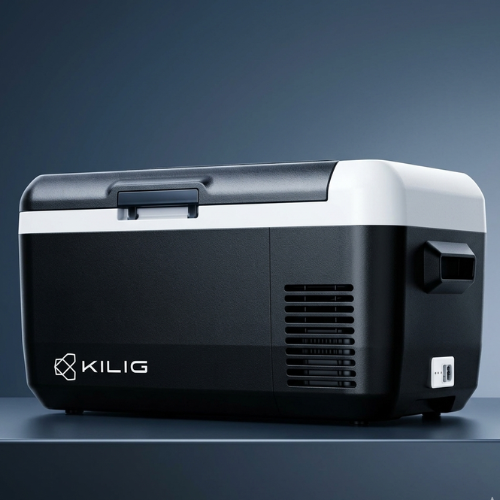
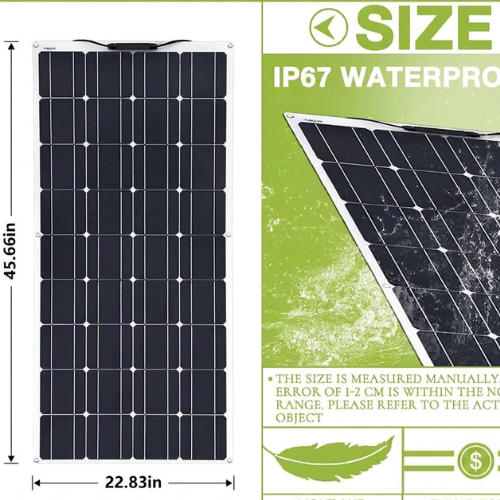
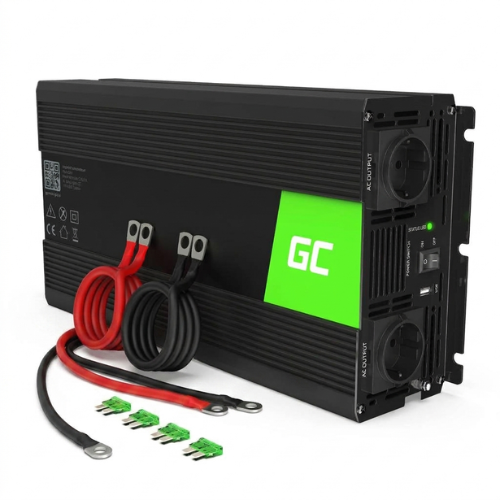
* Affiliate links — we earn a small commission at no extra cost to you. These are products we genuinely recommend based on caravan builds.
For a complete review of the best DC fridge options for Indian conditions (heat resilience is critical), read: Best DC Fridge for Caravan & Camper India — Detailed Comparison.
Advertisement
Best Base Vehicles for Caravan in India 2026
The base vehicle is the foundation of your caravan — it determines ride quality, space, fuel economy, and serviceability. Here are the top 4 platforms used by Indian caravan builders in 2026:
| Vehicle | Price (Base) | Interior Length | Engine | Mileage | Best For |
|---|---|---|---|---|---|
| Mahindra Veero | ₹9-11 L | ~3.2 m | 2.0L Diesel 130HP | 12-14 km/l | Compact camper, couples |
| Eicher Pro X | ₹8-10 L | ~3.5 m | 3.0L Diesel 120HP | 10-12 km/l | Budget caravan, best value |
| Force Traveller 3350 | ₹11-14 L | ~4.5 m | 3.7L Diesel 115HP | 8-10 km/l | Family caravan, most popular |
| Force Urbania | ₹15-18 L | ~4.2 m | 2.6L Diesel 114HP | 9-11 km/l | Premium caravan, better ride |
Mahindra Veero is the new darling of the vanlife community — modern design, car-like driving feel, excellent mileage, and compact enough for city parking. Read the full analysis: Mahindra Veero Caravan — Price & Features.
Force Traveller 3350 remains the #1 choice for full-size caravans. Its 4.5m cargo length allows standing height, separate bathroom, and proper bedroom — impossible in smaller platforms. The trade-off: drinks more fuel and harder to park. Detailed guide: Force Traveller Caravan — Best Variant & Price.
Eicher Pro X offers the best value — factory caravan support at ₹10.3 lakh fully built. Best for first-time buyers on a budget: Eicher Pro X Caravan — Complete Specs & Price.
Force Urbania is the premium pick — monocoque body (quieter, smoother), modern interiors, and better crash safety. Costs more but delivers a semi-luxury caravan experience. Ideal for those spending ₹25-35L total.
Campsite Infrastructure in India — Where to Park Your Caravan
India's campsite infrastructure is the biggest gap in the caravan ecosystem — but it's improving rapidly. Here's the current state and your best options:
Current state (2026): Approximately 150+ organized campsites across India accept caravans. Most are private (run by adventure tourism companies), with Kerala and Rajasthan leading in government-backed caravan parks. Facilities range from basic (flat ground + water tap) to full hookup (electricity, water, waste dump, WiFi).
🏕️ Top 10 Caravan Camping Spots in India:
| # | Location | State | Facilities | Cost/Night |
|---|---|---|---|---|
| 1 | Pangong Tso Lakeside | Ladakh | Basic (no hookup, stunning views) | Free / ₹500 |
| 2 | Sam Sand Dunes | Rajasthan | Water, power available, desert camping | ₹500-1,000 |
| 3 | Zostel Camps (multiple) | Pan-India | Full hookup, WiFi, community | ₹800-1,500 |
| 4 | Kudle Beach | Karnataka | Beach parking, basic water | ₹300-600 |
| 5 | Tirthan Valley Riverside | Himachal | Flat ground, river access, basic power | ₹500-800 |
| 6 | Munnar Tea Estate Camps | Kerala | Full hookup (govt caravan park) | ₹1,000-2,000 |
| 7 | Rann of Kutch | Gujarat | Vast open space, basic facilities | ₹500-1,000 |
| 8 | Bir Billing Paragliding | Himachal | Multiple campsites, food nearby | ₹600-1,000 |
| 9 | Coorg Coffee Estates | Karnataka | Private farms welcome caravans, power | ₹800-1,500 |
| 10 | Dawki River | Meghalaya | Riverside parking, basic | ₹300-500 |
Finding spots: Use the iOverlander app (best for India), Google Maps "campground" filter, and the "Indian Vanlife" Facebook group (6,000+ members) where travelers share GPS coordinates of caravan-friendly spots. Many fuel stations along NH highways allow overnight parking for free — just ask the manager.
Complete Caravan Guide Library
Ready to start your caravan journey? Calculate the complete on-road cost of any base vehicle — including RTO, insurance & financing.
Calculate On-Road CostEssential Caravan Equipment — Complete Your Setup
Whether buying or renting, these 3 components make the biggest difference in your caravan experience:
Frequently Asked Questions — Caravan in India
What is a caravan?
A caravan (also called motorhome, camper van, or RV) is a vehicle equipped with living facilities including a bed, kitchen, storage, and often a bathroom. It allows you to travel and live on the road without needing hotels. In India, caravans are typically built by converting commercial vehicles like Force Traveller, Mahindra Veero, or Eicher Pro X into mobile homes with sleeping, cooking, and power systems.
Is caravanning legal in India?
Yes, completely legal. The Motor Vehicles Act recognizes "Motor Caravan" as a registered vehicle category. You can register your caravan at any RTO — either as a new build or as a modification to an existing vehicle. No special permit is needed for personal use. For commercial use (rental), you need a tourist vehicle permit. Standard LMV driving license works for caravans under 7.5 tonnes GVW, which covers 99% of Indian caravans.
Can you live full-time in a caravan in India?
Yes, but with caveats. Around 50+ Indians live full-time in caravans as of 2026. Challenges include: finding safe overnight parking in cities, managing water/waste, summer heat (May-June makes plains unbearable without AC), monsoon roads (July-August in many regions), and mail/address requirements for official documents. Most successful full-timers follow seasons — hills in summer, plains in winter, park during monsoon. Budget ₹35,000-50,000/month for full-time living costs.
What is the cost per day of caravan travel in India?
For a mid-range caravan (₹20L build), daily travel costs are approximately ₹1,500-2,500/day including fuel (200 km @ ₹10/km = ₹2,000), campsite (₹500-1,500), cooking gas (₹50), and miscellaneous (₹200). This is for a family of 4. Compare to hotels (₹3,000-5,000/night + food ₹2,000/day = ₹5,000-7,000/day). Caravan travel saves 50-60% on daily costs for families.
What is the best season for caravan travel in India?
October to March is ideal for most of India (Rajasthan, Gujarat, Goa, Kerala, Tamil Nadu, Karnataka). April to June is best for hill stations (Himachal, Uttarakhand, Kashmir, Ladakh — June onwards). July-September (monsoon) is risky for caravanning due to landslides in hills and waterlogging in plains — this is typically "maintenance and rest" season. Ladakh is accessible only June-September.
What are the best caravan routes in India?
Top 5 routes: (1) Rajasthan Royal Circuit (Delhi-Jaipur-Jaisalmer-Udaipur) — easiest, best for beginners. (2) Ladakh via Manali — most iconic but challenging. (3) Kerala Backwaters (Kochi-Munnar-Alleppey-Varkala) — scenic and caravan-policy friendly. (4) Goa Coastal (Mumbai-Goa-Gokarna) — relaxed beach vibes. (5) Himachal Valley Hopping (Manali-Spiti-Kasol) — adventure and mountains. Start with Rajasthan or Goa for your first caravan trip.
Where can I park a caravan overnight in India?
Options include: (1) Designated caravan parks — Kerala, Rajasthan, Goa have government ones. (2) Private campsites — 150+ across India, found via iOverlander app. (3) Fuel station parking — many allow overnight stays for free (ask permission). (4) Hotel/resort parking — some allow caravan parking for ₹500-1,000/night with access to their facilities. (5) Wild camping — technically legal on public land but check local rules. Avoid blocking traffic or parking in no-parking zones. Join the Indian Vanlife Facebook group for crowd-sourced spot recommendations.
What is the difference between a caravan and an RV?
In India, "caravan" and "RV" (Recreational Vehicle) are used interchangeably. Technically: a caravan can refer to a towable trailer (no engine), while an RV/motorhome is self-propelled. In Indian context, most people mean a self-driving motorhome when they say "caravan." Other terms used: camper van (smaller, van-based), motorhome (larger, bus/truck-based), and caravan van (generic term). All refer to vehicles with living facilities built in.
Advertisement
Written by Rajiv Sah
Founder, OnRoadCost & Josh Riders | Automotive journalist with 8+ years covering Indian vehicle market | info@onroadcost.com