Caravan Battery System India — 10kW Lithium Price, Brands & Complete Setup Guide (2026)

Advertisement
Building a caravan in India? The battery system is the heart of your mobile home. Without reliable power, your fridge stops, lights go out, and your AC becomes a decorative panel. A 10kW lithium battery system is the gold standard for Indian caravans — enough to run everything from induction cooktops to air conditioning. In this guide, we break down exactly what a 10kW LiFePO4 battery system costs in India, which brands to trust, and how to set it all up correctly.
Whether you're converting a Mahindra Veero, Eicher Pro X, or building from scratch, this guide covers every component you need for a reliable caravan power system in 2026.
Why Lithium Over Lead-Acid for Caravans?
Lead-acid batteries have been powering Indian homes for decades, but they're a terrible choice for caravans. Here's why lithium (LiFePO4) wins decisively for mobile applications:
Weight: LiFePO4 is 60% lighter than equivalent lead-acid. A 400Ah 24V lithium bank weighs ~100kg vs 250kg+ for lead-acid. In a caravan, every kilogram matters.
Depth of Discharge: Lithium gives you 80-90% usable capacity. Lead-acid? Only 50%. So a 400Ah lithium bank gives you 320-360Ah usable, while 400Ah lead-acid gives only 200Ah.
Lifespan: 3000-5000 cycles for LiFePO4 vs 500-800 cycles for lead-acid. That's 8-12 years vs 2-3 years.
Efficiency: 95-98% charge/discharge efficiency vs 80-85% for lead-acid. Less solar energy wasted.
No Maintenance: No topping up distilled water, no acid fumes, no ventilation requirements.
The upfront cost is 3-4x higher, but the total cost of ownership over 10 years is actually lower with lithium. You'd replace lead-acid batteries 3-4 times in the same period, spending more overall while carrying extra weight and getting less usable power.
10kW System Breakdown: 400Ah at 24V
A 10kW (10,000 Wh or 10 kWh) system means you can store 10 units of electricity. The most common configuration for Indian caravans is 400Ah at 24V (400 × 24 = 9,600Wh ≈ 10kWh).
This is typically achieved using eight 3.2V 280Ah or 304Ah LiFePO4 prismatic cells connected in series (8S) to make a 25.6V nominal battery, then paralleling if needed. Alternatively, you can buy pre-built 24V 200Ah battery packs and connect two in parallel.
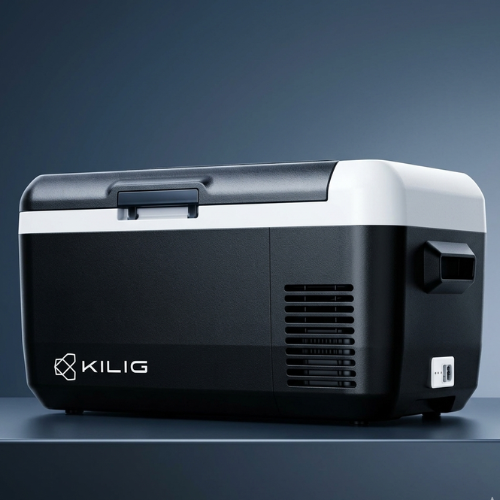
A 10kW system comfortably powers: LED lighting, DC fridge (24/7), laptop charging, phone charging, water pump, induction cooktop (limited use), microwave (limited use), TV, fans, and even a small AC for a few hours.
Essential Caravan Equipment — Must Have
Critical components for any caravan build or upgrade:
Complete 10kW Battery System Price Table
| LiFePO4 Battery Cells (400Ah 24V) | ₹1,50,000 - ₹2,00,000 |
| Battery Management System (BMS) | ₹15,000 - ₹25,000 |
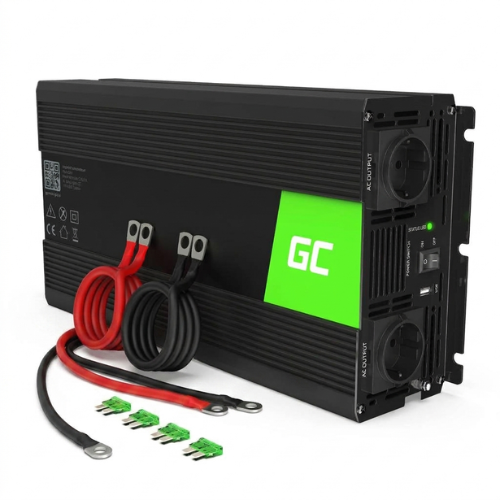
| Pure Sine Wave Inverter (3kW) | ₹25,000 - ₹40,000 |
| DC-DC Converter (30-50A) | ₹12,000 - ₹18,000 |
| MPPT Solar Charge Controller (40-60A) | ₹8,000 - ₹15,000 |
| Wiring, Bus bars, Fuses, MCBs | ₹10,000 - ₹15,000 |
| Battery Box/Enclosure | ₹5,000 - ₹10,000 |
| Installation/Labour | ₹10,000 - ₹20,000 |
| TOTAL ESTIMATED COST | ₹2,35,000 - ₹3,43,000 |
Brands Available in India
The Indian market for lithium batteries has exploded in 2025-2026. Here are the best options for caravan builders:
Luminous: India's most trusted inverter/battery brand now offers LiFePO4 options. Premium pricing but excellent after-sales. Their 24V systems come with built-in BMS and are plug-and-play.
Eastman: Known for solar products, Eastman offers competitively priced lithium battery packs with integrated BMS. Good for those wanting a ready-made solution without assembling cells.
Loom Solar: India's top direct-to-consumer solar brand. They sell individual LiFePO4 cells and complete battery packs. Their website has excellent customer support and delivery across India.
EVE Cells: Chinese manufacturer whose LF280K and LF304 cells are the most popular choice for DIY builders in India. Available on IndiaMart and through solar dealers. Best price-to-performance ratio.
CATL Cells: Premium Chinese cells used by Tesla and BYD. Higher price but exceptional quality and consistency. Available through specialized importers.
Where to Buy
IndiaMart: Best for bulk cells (EVE, CATL). Compare 3-4 sellers, check ratings, and insist on capacity testing certificates before buying. Prices are negotiable.
Amazon India: Good for pre-built battery packs, BMS units, inverters, and accessories. Easier returns but slightly higher prices.
Loom Solar Website: Direct purchase with warranty. They offer complete kits for solar + battery systems. Free delivery on most orders.
Local Solar Dealers: Every city has solar installation shops now. They stock cells, inverters, and can assemble custom battery packs. Advantage: local warranty support.
Budget vs Premium Options
Budget Route (~₹2.3-2.5 lakh): EVE LF280K cells from IndiaMart + JK BMS + local brand inverter + basic wiring. You assemble yourself or hire a local electrician. Risk: warranty claims are harder, cell quality may vary.
Premium Route (~₹3-3.5 lakh): Luminous/Eastman pre-built packs + branded inverter (Luminous/Microtek) + proper cable management + professional installation. Peace of mind with proper warranty and support.
For a rental/commercial caravan, always go premium. For a personal build where you're comfortable with electrical work, the budget route saves ₹50,000-80,000 with similar performance.
How Long Does 10kW Last?
| LED Lighting (all caravan, 100W) | 100 hours |
| DC Fridge (50-60W average) | 166 hours (7 days) |
| Laptop Charging (65W) | 153 hours |
| Induction Cooktop (1500W) | 6.6 hours |
| Microwave (1000W) | 10 hours |
| AC 1 Ton (1200W) | 8.3 hours |
| Water Pump (60W) | 166 hours |
| Typical Mixed Daily Use | 2-3 days without solar |
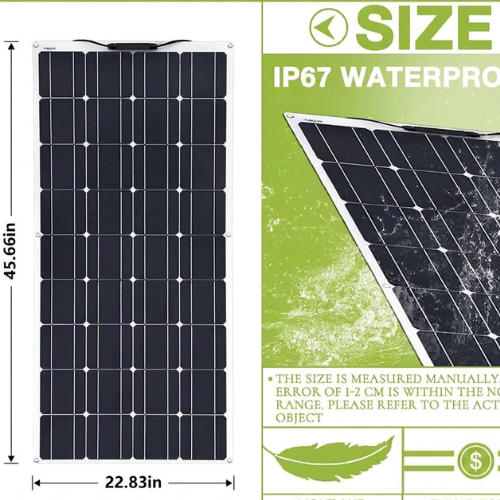
With a 550-880W solar panel system charging during the day, most caravan owners never run out of power during normal use. You're generating 2.5-5 kWh per day from solar alone, which covers most daily consumption.
Essential Caravan Equipment — Complete Your Setup
Whether buying or renting, these 3 components make the biggest difference in your caravan experience:
Maintenance Tips
LiFePO4 batteries are nearly maintenance-free, but follow these tips for maximum lifespan:
1. Keep Balanced: A good BMS handles this automatically. Check cell voltages monthly — all 8 cells should be within 0.02V of each other.
2. Avoid Full Discharge: Set your BMS low-voltage cutoff at 20% SOC (State of Charge). Regularly draining to 0% shortens lifespan.
3. Temperature Management: LiFePO4 doesn't like charging below 0°C (rare in India) or operating above 45°C. In summer, ensure your battery box has ventilation. Consider a small fan on a thermostat.
4. Tighten Connections: Check bus bar bolts every 3 months. Vibration from driving can loosen connections, causing resistance and heat.
5. Store at 50-60% SOC: If not using the caravan for weeks, store batteries at half charge. Don't leave them at 100% for extended periods.
6. Update BMS Firmware: Some smart BMS units (like JK BMS) receive firmware updates via Bluetooth. Keep them updated for best performance.
Frequently Asked Questions
Q: Can I charge the lithium battery while driving?
Yes! A DC-DC converter (30-50A) connects to your vehicle's alternator and charges the house battery while driving. At 50A and 24V, you get about 1.2kW charging rate — a full charge in 8-10 hours of driving.
Q: Is LiFePO4 safe for caravans? What about fire risk?
LiFePO4 (Lithium Iron Phosphate) is the safest lithium chemistry available. Unlike lithium-ion used in phones/laptops, LiFePO4 does not catch fire or explode even when punctured. It's thermally stable up to 270°C. With a proper BMS, the risk is essentially zero.
Q: Can I run AC (air conditioning) on a 10kW battery?
Yes, but with limitations. A 1-ton inverter AC draws about 1200W. Your 10kW battery can run it for ~8 hours. Combined with solar charging during the day, you can run AC for 4-5 hours at night comfortably. For all-day AC, you'd need a larger system or a generator backup.
Q: How many years does a LiFePO4 battery last in a caravan?
With proper care (BMS, avoiding extreme temperatures, not regularly deep-discharging), LiFePO4 cells last 8-12 years or 3000-5000 cycles in caravan use. Most caravan owners will renovate their entire vehicle before the batteries need replacement.
Q: Should I buy cells and build, or buy a ready-made battery pack?
If you have electrical knowledge, buying individual cells (EVE/CATL from IndiaMart) + separate BMS saves ₹30,000-50,000. If you're not comfortable with high-current electrical work, buy a pre-built pack from Luminous, Eastman, or Loom Solar with built-in BMS and warranty.
Q: What's the weight of a 10kW LiFePO4 system?
The cells alone weigh about 85-100kg. Add BMS, wiring, enclosure, and inverter — total system weight is approximately 120-140kg. Equivalent lead-acid would be 300-350kg. This weight saving significantly improves your caravan's handling and fuel efficiency.
Planning your caravan solar setup to charge this battery? Read our complete solar guide
Caravan Solar Panel Guide →Need Help With Your Caravan Build?
For professional caravan builds with proper electrical systems, contact Pro Camper India: procamperindia@gmail.com
Related Articles
🔋 Caravan Battery System — 10kW Lithium Setup Guide
☀️ Caravan Solar Panel Setup — 550W to 880W Guide
🚿 Caravan Water System — Tank, Pump & Plumbing
🍳 Caravan Kitchen — DC Fridge, Induction & Microwave
🚽 Caravan Bathroom — Marine Toilet & Shower
📋 Complete Caravan Build — ₹13 Lakh Breakdown
Rajiv Sah
Automotive & caravan enthusiast covering on-road costs, accessories, and build guides for Indian travellers. Researching caravan builds since 2024.