Reality Check — Testing the Mahindra Veero Caravan Over 10,000 Km on Indian Terrain (2026)
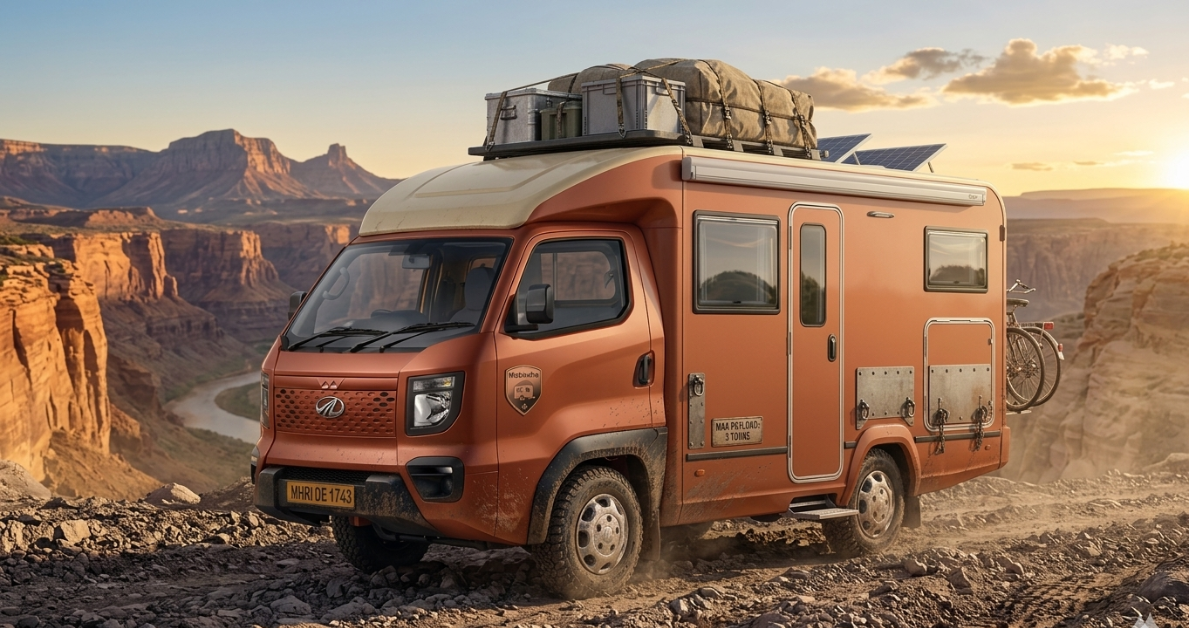
Specifications and interior design are one thing. How a caravan actually performs on Indian roads — with their potholes, unmarked speed bumps, steep ghats, sandy patches, and monsoon-damaged surfaces — is something entirely different. The gap between brochure claims and reality in India is often enormous.
That's why the Mahindra Veero caravan underwent a rigorous 10,000 km testing phase before being offered to customers. This wasn't gentle highway cruising — this was deliberate stress testing across India's most challenging terrains: plains, hills, and sandy regions. With a 3-ton load (double the vehicle's rated 1,500 kg payload capacity), the testing deliberately pushed beyond normal limits to identify every potential failure point.
Here's what 10,000 km of brutal honesty taught the builders — and what it means for buyers.
Advertisement
Handling the Load — 3 Tons on a 1.5 Ton Vehicle
The Mahindra Veero's rated GVW (Gross Vehicle Weight) accommodates approximately 1,500 kg of payload. But a fully-built caravan with water tanks full, batteries installed, all appliances, furniture, and 4-5 passengers easily approaches 3,000 kg (3 tons). That's double the rated capacity.
The testing phase deliberately loaded the vehicle to this 3-ton mark and drove it across three terrain types:
| Test Load | 3,000 kg (3 tons) |
| Rated Payload | ~1,500 kg |
| Over-load Factor | 2× rated capacity |
| Total Test Distance | 10,000+ km |
| Terrain Types | Plains, Hills, Sand |
| Duration | Several months |
Plains Testing
On flat highways and state roads, the loaded Veero performed well. The 1.5L diesel provided adequate power for sustained 60-80 km/h cruising. Fuel efficiency dropped (expected with double load), but the vehicle remained stable, steering responsive, and braking adequate. No structural concerns — the chassis absorbed road imperfections without transmitting excessive vibration to the living space.
Hill Testing
Hills were where the Veero's Power button proved its worth. On inclines of 20-25 degrees (typical of ghat roads in Maharashtra, Karnataka, and Himachal Pradesh), engaging Power mode provided sufficient torque to climb steadily at 20-30 km/h. The engine worked hard — you could hear it — but it never struggled to the point of concern. No overheating issues were observed during sustained climbing.
⛰️ Hill Performance Summary:
• 20-25° inclines: Handled with Power mode engaged
• Speed on climbs: 20-30 km/h sustained
• Overheating: None observed during testing
• Braking downhill: Adequate with engine braking + disc brakes
• Ghat roads (hairpins): Manageable due to compact turning radius
Sand & Unpaved Testing
Sandy terrain and "kucha" (unpaved/gravel) roads exposed the primary limitation of the Veero caravan — its 4×2 drivetrain. More on this critical finding below.
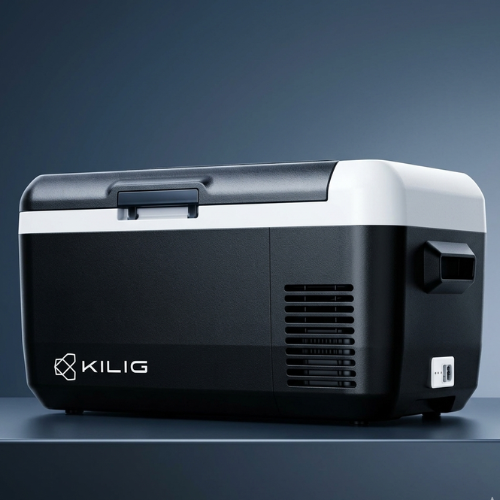
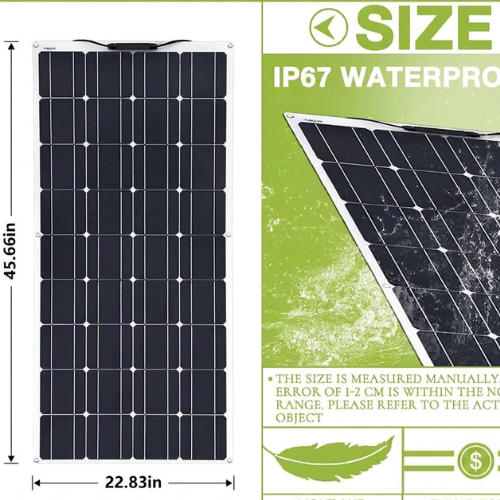
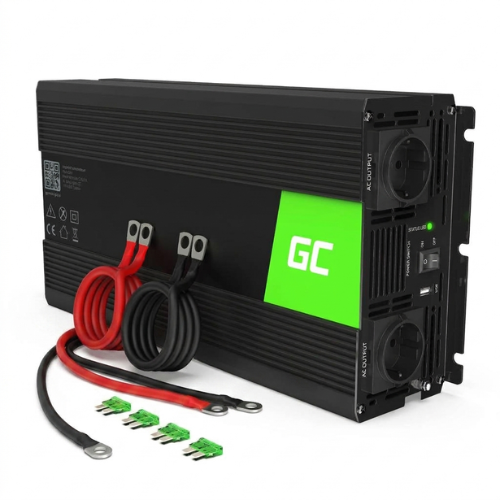
Essential Caravan Equipment — Must Have
Critical components for any caravan build or upgrade:
The 4×2 Limitation — A Critical Lesson
If there's one finding that every potential Veero caravan buyer must understand, it's this: the Mahindra Veero is a 4×2 vehicle (rear-wheel drive only). It does NOT have 4×4 capability. And at 3-ton total weight, this becomes a significant limitation in specific conditions.
⚠️ CRITICAL: Where the Veero Caravan Struggles (4×2 Limitation)
• Muddy rural roads after rain — wheels spin without grip
• "Kucha" paths (unpaved village roads) — loose gravel/sand reduces traction
• Wet grass or dirt surfaces at campsites — heavy vehicle sinks/slides
• River crossings on dirt roads — soft riverbed soil can trap the vehicle
• Beach camping on sand — 3 tons + 4×2 = stuck
This doesn't mean the caravan can't travel to beautiful locations. It means route planning becomes essential. You must plan your route to avoid muddy rural detours, especially during monsoon. Stick to paved roads (NH, SH, district roads) and established campsite access roads. Most popular camping destinations in India have paved access — but the "hidden gem" spots down unmarked dirt paths may be inaccessible.
Practical Solutions for the 4×2 Limitation
- Route planning: Use Google Maps satellite view to check road surfaces before committing to a route
- Seasonal awareness: Avoid rural/unpaved routes during July-September monsoon months
- Traction aids: Carry sand tracks/recovery boards for emergency use
- Weight distribution: Ensure the caravan build places weight evenly, especially over the rear axle for maximum traction
- Tire choice: All-terrain tires provide significantly better grip than highway tires on loose surfaces
- Deflation: Lowering tire pressure temporarily (20-25 PSI) increases the contact patch on sand
The builders are transparent about this limitation. The Veero caravan is designed for highway travel with paved-road destinations — not off-road wilderness exploration. For buyers who need true off-road capability, a 4×4 base vehicle would be necessary (at significantly higher cost).
Advertisement
The Single-Key System — Born from Real-World Usage
One of the most practical innovations that emerged from the 10,000 km testing phase is the "single key" system. Real-world usage revealed a frustrating problem: a caravan has numerous external lockers, storage boxes, utility compartments, water tank access doors, and the main entry door. If each had a different lock (which is common in cheaper builds), you'd carry a jangling keychain of 8-10 keys and waste time fumbling for the right one every time.
The solution: one heavy-duty key operates EVERYTHING.
| Main Entry Door | Single key ✓ |
| External Storage Lockers (all) | Single key ✓ |
| Utility Compartment | Single key ✓ |
| Water Tank Access | Single key ✓ |
| Generator Compartment | Single key ✓ |
| Gas Bottle Locker | Single key ✓ |
This seems like a small detail, but in practice it's the kind of convenience feature that separates a well-tested product from a theoretical design. When you're arriving at a campsite after 8 hours of driving, fumbling with 6 different keys in the dark to access your water hookup and storage is genuinely annoying. One key, done. This was a direct result of real-world field testing — not something you'd think of in a workshop.
Structural Integrity After 10,000 Km
Perhaps the most important finding from the testing phase: zero structural failures after 10,000 km at double the rated load.
- Chassis frame: No cracks, no bending, no alignment issues
- Living body mounting: All bolts tight, no separation from chassis
- Interior furniture: No loosening, no rattling, no delamination
- Plumbing: No leaks from water tank, pipes, or waste system
- Electrical: All connections intact, no shorts or failures
- Doors and seals: No water ingress during monsoon testing
- Windows: No cracks, seals holding, no whistling at highway speed
- Suspension: Springs and dampers still within spec
This matters because the number one complaint about Indian-built caravans is structural failure — rattling cabinets, leaking roofs, plumbing that comes loose on bumpy roads, and electrical gremlins. The 10,000 km overloaded test was specifically designed to accelerate any potential failures so they could be addressed before customer delivery. The fact that nothing failed speaks to the quality of construction.
Essential Caravan Equipment — Complete Your Setup
Whether buying or renting, these 3 components make the biggest difference in your caravan experience:
Living the Life — The Emotional Side
Beyond the technical data, the 10,000 km testing phase also validated the emotional promise of van life — the reason people choose this lifestyle in the first place. The testers reported experiences that no hotel or resort can replicate:
Outdoor Cooking on the Camping Table
The built-in fold-out camping table on the caravan's exterior became one of the most-used features during testing. Evening cooking outdoors — with mountain views, riverside breezes, or farmland sunsets as your backdrop — transforms a simple meal into an experience. Indian cooking especially benefits from outdoor preparation: the smoke from a tawa or tandoor dissipates naturally, spice smells don't linger in the living space, and the social aspect of cooking together outside is incomparable.
Star-Gazing from the Rooftop
The rooftop setup for star-gazing emerged as the emotional highlight of testing. Away from city light pollution — parked in rural India where the Milky Way is clearly visible — the caravan's roof becomes a personal observatory. Some buyers have added roof-mounted deck chairs and mattresses specifically for this purpose. It's the kind of experience that reminds you why you chose this life over a hotel room.
Morning Chai with No Checkout Time
Perhaps the subtlest pleasure: waking up at dawn to birdsong, making chai on your induction cooktop, and stepping outside to a landscape you chose — with no hotel checkout time, no bill to pay, no rush. This is the daily reality of caravan life, and 10,000 km of testing confirmed that the Veero's systems reliably support this lifestyle without the anxiety of "what if something breaks?"
🌟 What 10,000 Km Taught the Builders:
• The single-key system eliminates daily frustration
• 4×2 requires route planning — not every beautiful spot is accessible
• 180L water truly lasts a week with mindful usage
• Solar + DC-DC charging means power anxiety disappears after the first week
• The outdoor cooking table gets used more than the indoor kitchen
• Star-gazing from the rooftop is the #1 emotional selling point
• Structural integrity at 3 tons means customers at normal load have massive safety margin
Advertisement
Recommended Routes for Veero Caravan (4×2)
Based on the testing experience, here are route types that work well vs. those to avoid:
| ✅ Ideal Routes | Details |
| National Highways | Smooth, fast, well-maintained |
| State Highways to hill stations | Paved ghats, manageable inclines |
| Coastal roads (Konkan, Kerala) | Flat, paved, scenic |
| Rajasthan desert highways | Flat, paved (avoid sand tracks) |
| Established campsite access roads | Designed for vehicle access |
| ❌ Avoid (4×2 Limitation) | Why |
| Unpaved rural roads (monsoon) | Mud + 3 tons = stuck |
| Beach sand access | Soft sand traps 4×2 |
| River crossing dirt tracks | Soft riverbed soil |
| Ladakh/Spiti unpaved sections | Loose gravel + incline |
| Forest department inner roads | Often unmaintained, muddy |
Frequently Asked Questions
How was the Mahindra Veero caravan tested?
Over 10,000 km across plains, hills, and sandy terrain with a 3-ton load — double the rated 1,500 kg payload. This deliberate overloading stress-tested every component for potential failure points before customer delivery.
Can the Veero caravan handle hills?
Yes. With Power mode engaged, it climbs 20-25 degree inclines at 20-30 km/h even at 3-ton load. No overheating observed during sustained hill climbing. Most ghat roads in India are within its capability.
What is the main limitation of the Veero caravan?
The 4×2 (rear-wheel drive only) drivetrain. At 3-ton weight, it struggles on muddy rural roads, sand, and loose gravel surfaces. Careful route planning is essential — stick to paved roads and established campsite access routes.
What is the single-key system?
One heavy-duty key operates every external locker, storage box, utility compartment, water access, generator compartment, and main entry door. Born from real-world testing frustration of managing multiple keys. Saves significant daily hassle.
Did anything break during the 10,000 km test?
No structural failures reported. Chassis, body mounting, interior furniture, plumbing, electrical, doors, seals, windows, and suspension all remained intact after 10,000 km at double rated load. This provides massive safety margin for normal usage.
Can the Veero caravan go to Ladakh?
On paved roads (Manali-Leh highway paved sections), yes. On unpaved gravel sections or river crossings, it will struggle due to 4×2 limitation and weight. Route planning is critical — choose routes with maximum paved coverage.
What terrains were tested?
Three types: (1) Plains — highways and state roads, (2) Hills — ghat roads with 20-25° inclines, (3) Sandy/unpaved regions. Plains and hills performed well. Sandy/unpaved surfaces exposed the 4×2 limitation.
Is star-gazing really possible from the rooftop?
Yes — the caravan's rooftop is accessible and designed for star-gazing setups. When parked in rural India away from light pollution, the Milky Way is clearly visible. Some owners add roof deck chairs and mattresses for this purpose.
🚛 Explore the complete Mahindra Veero Caravan series — from cost to luxury interior
Start: Why Veero is India's Best Caravan Base →Related Articles — Veero Caravan Series
- Affordable Van Life — Why Veero is India's Best Base Vehicle
- Off-Grid Power & Water — 10kW Battery, Solar & 180L Water
- Luxury Interior Design — Kitchen, Bathroom & Smart Amenities
- Mahindra Veero Caravan — Expected Price & Features
- Mahindra Veero CNG — Price ₹9-10L, Mileage & Owner Review
Written by Rajiv Sah
Founder, OnRoadCost & Josh Riders | info@onroadcost.com