Mahindra Veero Caravan — Complete Off-Grid Power & Water System: 10kW Battery, Solar Panels & 180L Water Management (2026)
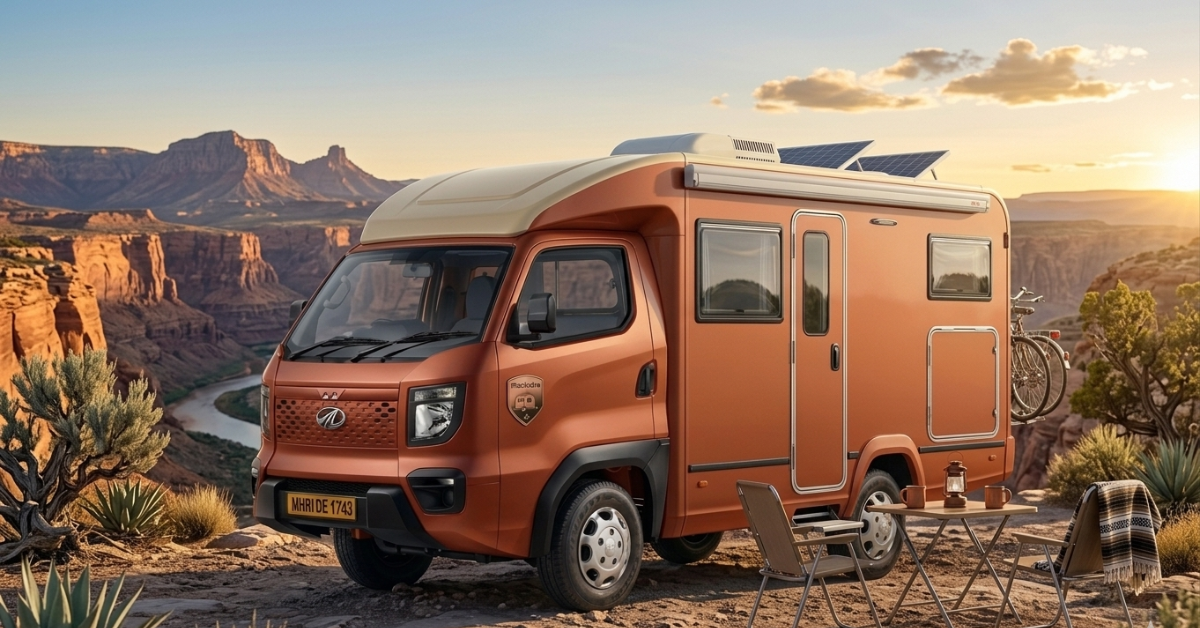
The greatest challenge of van life isn't finding beautiful locations — it's keeping the lights on, the fridge cold, and the water flowing when you're parked 50 km from the nearest town. Most caravans in India are designed as "campsite-dependent" — meaning they need external electrical hookups and water connections to function. That's not true freedom. That's just a hotel room on wheels.
The Mahindra Veero caravan conversion tackles this problem head-on with an engineering approach that allows complete off-grid independence. With a massive 10kW lithium battery bank, up to 880W of solar panels, a backup generator, and a meticulously planned water management system — this caravan can sustain two people for an entire week without any external connections. Here's the complete technical breakdown.
Advertisement
The Battery System — 10kW Lithium Powerhouse
At the heart of the Veero caravan's electrical system is a 10kW lithium battery pack — rated at 400 Ah at 24V. This is not a small upgrade over typical caravan batteries; this is a fundamentally different class of power storage.
To put 10kW in perspective: this is the same battery capacity found in some electric scooters' full battery packs. It's enough to run the entire caravan — including AC, fridge, lights, TV, charging ports, water pump, and induction cooktop — for extended periods without any external power source.
What Can 10kW Power?
| LED Lights (entire caravan) | 50W — 200 hours |
| DC Fridge (running 24/7) | 60-80W — 5+ days |
| Phone/Laptop Charging | 30-60W — unlimited |
| Water Pump | 100W (intermittent) — weeks |
| TV/Entertainment | 80-120W — 80+ hours |
| Induction Cooktop (30 min/day) | 1500-2000W — 3+ days |
| AC (1 Ton, 4-5 hrs/night) | 1200W — 1.5-2 nights |
| All Systems Combined (moderate use) | 2-3 Days without any charging |
The lithium chemistry offers significant advantages over traditional lead-acid batteries: lighter weight (critical in a caravan where every kilogram affects fuel efficiency), deeper discharge capability (you can safely use 80-90% of capacity vs only 50% with lead-acid), faster charging, and a lifespan of 2000+ cycles vs 300-500 for lead-acid.
Essential Caravan Equipment — Must Have
Critical components for any caravan build or upgrade:

Solar Power — 550W to 880W Roof-Mounted Panels
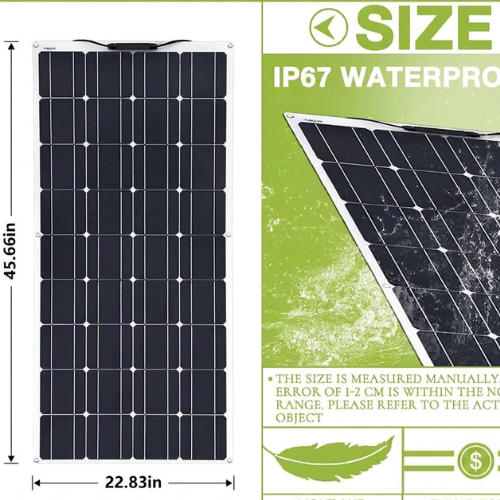
The primary charging source for the battery system is a roof-mounted solar array ranging from 550W to 880W depending on the build configuration and available roof space. This is a substantial solar installation — for context, most Indian homes with rooftop solar start at 1kW panels to power their basic needs.
Solar Charging Performance
| Panel Capacity | 550W – 880W |
| Daily Generation (clear sky, India avg) | 2.5 – 4.5 kWh/day |
| Charging Time (full battery from 20%) | 2-3 sunny days |
| Monsoon/Cloudy Performance | 30-50% of rated output |
| Panel Type | Monocrystalline (high efficiency) |
| Mounting | Flush-mounted on caravan roof |
In practical terms, on a sunny day in most of India (which gets 4-6 peak sun hours), the 550-880W panels generate enough power to offset all daily consumption with moderate use. This means your battery level stays stable or even increases during sunny days — you're essentially living on free solar energy.
☀️ Solar + Battery Math (Sunny Day):
• Solar generates: ~3-4 kWh/day
• Daily consumption (moderate, no AC): ~2-3 kWh/day
• Net result: Battery stays charged or gains capacity
• With AC at night: Solar alone isn't enough — but battery buffer + next day's sun covers it
DC-to-DC Converter — Charging While Driving
The second charging method is a DC-to-DC converter that taps into the vehicle's alternator while the engine is running. This is a brilliantly practical solution for caravan life — you're driving between locations anyway, so why not charge your house batteries simultaneously?
How it works:
- When the Veero's engine runs, the alternator produces excess electrical capacity beyond what the vehicle battery needs
- The DC-to-DC converter safely harvests this excess power and feeds it into the 24V house battery bank
- Typical charge rate: 30-50A at 24V = 720-1200W while driving
- A 4-5 hour driving day can add 3-5 kWh to your house batteries — that's 30-50% charge recovery just from driving
- No engine modification required — it's a passive tap on the alternator output
This creates a powerful synergy: you drive to your next beautiful location, and by the time you arrive, your batteries have been substantially recharged. Combined with solar, this means you rarely need to worry about power unless you're parked for multiple cloudy days in a row.
Generator Backup — 2.8 kVA Jenset
For the worst-case scenario — multiple consecutive rainy days where solar output drops to near-zero and you haven't been driving — the caravan includes a 2.8 kVA generator (Jenset brand) as emergency backup.
| Generator Capacity | 2.8 kVA |
| Brand | Jenset |
| Full Charge Time (empty to 100%) | ~1 hour |
| Fuel Type | Petrol |
| Noise Level | Low (modern inverter type) |
| Use Case | Emergency / Rainy days only |
⚡ The Power Trinity — Three Ways to Charge:
1. Solar panels (550-880W) — Primary, free, silent. Works every sunny day
2. DC-to-DC while driving — Automatic, passive. Charges while you travel
3. Generator (2.8 kVA) — Emergency backup. Full charge in 1 hour
Together, these three sources ensure you are NEVER without power, regardless of weather or location.
The generator's ability to fully charge the 10kW battery in approximately one hour is remarkable. In practice, most users report running the generator for 30-45 minutes every 2-3 days during monsoon season — a minimal inconvenience for complete energy independence.
Advertisement
Essential Caravan Equipment — Complete Your Setup
Whether buying or renting, these 3 components make the biggest difference in your caravan experience:
Water Management — 180 Litres of Fresh Water
Water is the second critical resource for off-grid living — and arguably harder to manage than electricity. You can't generate water from sunlight. The Veero caravan addresses this with a carefully calculated 180-litre fresh water tank system.
How Long Does 180 Litres Last?
Based on real-world testing by the builders, 180 litres provides:
| Duration (2 people) | 1 full week |
| Showers included | 3 showers per week |
| Cooking water | Daily cooking included |
| Drinking water | Included (with filter) |
| Dishwashing | Daily — included |
| Average daily consumption | ~25 litres/day for 2 people |
This is with mindful but not extreme water usage. The builders found that with awareness (shorter showers, not leaving taps running), two people can comfortably sustain themselves for a week on 180 litres including three showers each. That's remarkable efficiency and means you only need to refill once per week — easily done at any petrol station, river, or town water source.
Water Filling Methods — Multiple Options
The caravan provides multiple convenient ways to refill the fresh water tank:
1. Quick Release Valves (QRV)
External quick-release connectors allow you to draw water from natural sources like rivers, streams, or even a bucket. A 12V water pump pulls water through the QRV port and fills the tank. This is perfect for remote camping near water bodies — you simply drop a hose in the river and pump fills your tank in minutes.
2. City Connection (High-Pressure Fill)
A standard garden hose connection (city connection) allows high-pressure filling from any municipal water tap, RV park hookup, or campsite. This fills the 180L tank in under 10 minutes and is the fastest refill method. Available at petrol stations, dhabas, or anywhere with a water tap.
3. Gravity Fill
A top-mounted filling port allows gravity filling from buckets or jerry cans — useful in very remote areas where the only water source is a village hand pump or well.
Waste Water Management — Grey & Black Water
What goes in must come out. The caravan includes dedicated waste water management with separate tanks:
| Grey Water Tank (sink/shower) | 60 – 70 Litres |
| Black Water Tank (toilet) | 60 – 70 Litres |
| Dump Interval (2 people) | Every 5-7 days |
| Dump Points | Petrol stations, RV parks, drains |
The separation of grey water (relatively clean water from sinks and showers) and black water (toilet waste) is important because grey water can be safely dumped at more locations — it's essentially soapy water. Black water requires designated dump stations or septic-compatible disposal points. The 60-70 litre capacity for each aligns well with the fresh water duration — you'll typically need to dump waste around the same time you need to refill fresh water.
System Integration — How It All Works Together
The brilliance of this off-grid system isn't any single component — it's how they integrate into a seamless, worry-free experience:
- While driving: DC-to-DC charges batteries passively. You arrive with more power than you left with.
- While parked (sunny): Solar panels maintain or increase battery level. Zero effort required.
- While parked (cloudy): Battery buffer provides 2-3 days autonomy. If extended, 30-min generator run restores full power.
- Water (week 1-2): 180L tank sustains you. QRV allows river/stream refills in remote areas.
- Waste: 60-70L tanks match fresh water duration. Dump at next town stop.
🏕️ Real-World Off-Grid Scenario:
A couple parks at a beautiful riverside spot in Himachal Pradesh for 5 days:
• Power: Solar charges during day, battery covers night. DC-to-DC topped up during the drive there. No generator needed.
• Water: 180L provides all needs for the stay. QRV allows river fill if needed (with purification).
• Waste: 60-70L grey/black tanks don't fill up for the entire stay.
• Result: Complete independence. No campsite fees. Pure freedom.
Advertisement
Frequently Asked Questions
What battery does the Mahindra Veero caravan use?
A 10kW lithium battery pack rated at 400Ah at 24V. Lithium chemistry provides lighter weight, deeper discharge, faster charging, and 2000+ cycle lifespan compared to lead-acid alternatives.
How many solar panels are installed on the Veero caravan?
Between 550W and 880W of monocrystalline solar panels, mounted flush on the caravan roof. On a sunny day in India, this generates 2.5-4.5 kWh — enough to offset moderate daily consumption without any other charging source.
Can the Veero caravan run AC off the battery?
Yes, but with limits. The 10kW battery can run a 1-ton AC for approximately 4-5 hours. For overnight AC use, you'd consume roughly 5-6 kWh — leaving limited capacity for other needs. Solar + driving recharge the next day. Generator backup available for cloudy periods.
How long does 180 litres of water last?
One full week for 2 people, including 3 showers, daily cooking, drinking, and dishwashing. Average consumption is approximately 25 litres per day per couple with mindful usage.
What is the QRV system for water?
Quick Release Valves — external connectors that allow you to draw water from rivers, streams, or buckets using a 12V pump. Simply drop the hose in a water source and pump fills the tank. Essential for remote camping near natural water bodies.
How fast can the generator charge the battery?
The 2.8 kVA Jenset generator can fully charge the 10kW battery from near-empty in approximately 1 hour. In practice, most users only need 30-45 minutes every few days during monsoon season when solar output drops.
Does the battery charge while driving?
Yes. A DC-to-DC converter harvests excess alternator power while the engine runs. A 4-5 hour drive can add 3-5 kWh (30-50% charge) to the house batteries — completely passive and automatic.
What about waste water disposal?
Separate 60-70 litre tanks for grey water (sinks/shower) and black water (toilet). Grey water can be dumped at most drains. Black water requires designated dump points. Both tanks last 5-7 days for 2 people, aligning with fresh water refill schedule.
🏠 Next: See how the interior luxury is designed in a tiny space
Read: Luxury Interior Design Guide →Related Articles — Veero Caravan Series
- Affordable Van Life — Why Veero is India's Best Base Vehicle
- Luxury Interior Design — Kitchen, Bathroom & Smart Amenities
- 10,000 Km Road Test — Real Performance on Indian Terrain
- Mahindra Veero Caravan — Expected Price & Features
Written by Rajiv Sah
Founder, OnRoadCost & Josh Riders | info@onroadcost.com