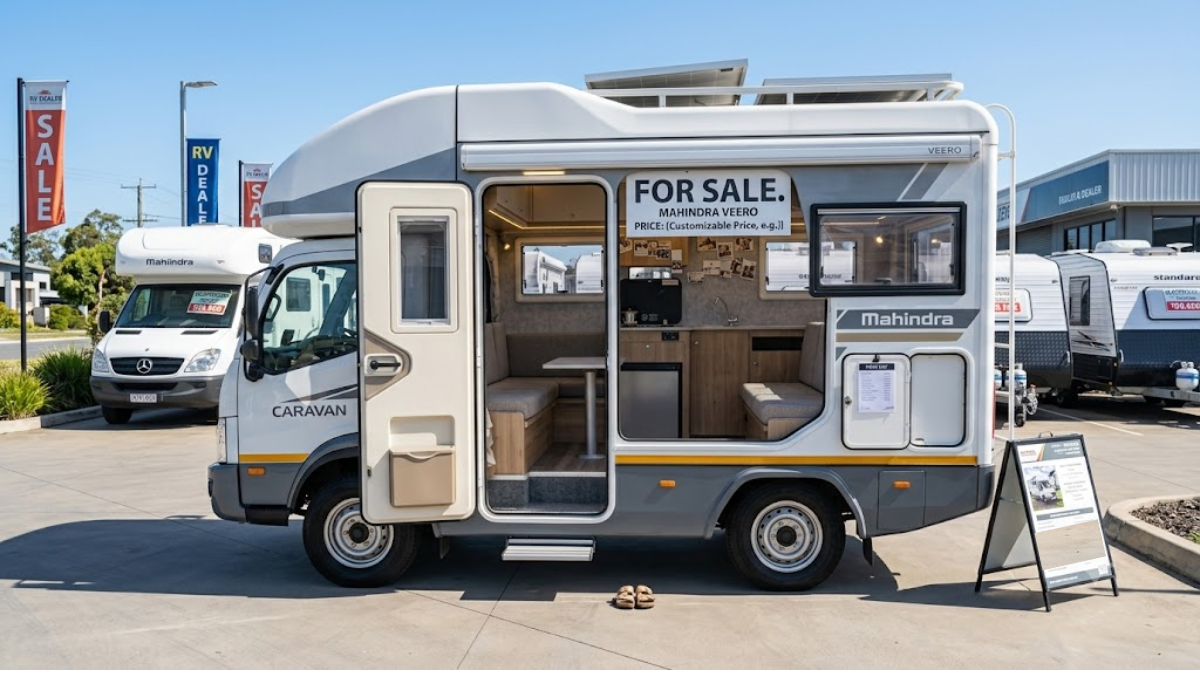
Used / Second-Hand Caravan Buying Guide India (2026) — Price, Checklist & What to Inspect
⚡ Quick Answer:
A used caravan can save you lakhs vs a new one — but it carries higher risk. The single most important check is water damage / leaks (soft floors, damp smell, stains) because it's expensive and hidden. Realistic used prices in India range from ~₹5–8 lakh (older converted vans) to ₹15–30 lakh+ (premium recent motorhomes).
Buying a second-hand caravan or camper van is the smartest way to start caravanning affordably — but a bad buy can become a money pit. Because a caravan is part vehicle and part home, you're inspecting two things at once: the mechanicals and the living area. This guide gives you a realistic price range, a full inspection checklist, the paperwork to verify, and the red flags that should make you walk away.
Advertisement
Used Caravan Price Range in India (2026)
| Type | Condition / Age | Approx Used Price |
|---|---|---|
| Basic converted van (Force/Tempo Traveller) | Older / DIY build | ₹5,00,000 – ₹9,00,000 |
| Mid camper (Veero/Eicher Pro X base) | 2–5 years | ₹9,00,000 – ₹16,00,000 |
| Premium motorhome / caravan | Recent, well kept | ₹16,00,000 – ₹30,00,000+ |
* Indicative, 2026. Price depends heavily on age, build quality, mileage, condition and how well it was maintained.
🧮 Check On-Road Cost & RTO Transfer Charges
Estimate transfer, insurance & total cost before you buy used
Open On-Road Price Calculator →Advertisement
15-Point Used Caravan Inspection Checklist
Living area (most important — this is where money hides):
- 1. Water damage: press floors & walls for soft/spongy spots; look for stains under windows, around the roof, and in cupboards.
- 2. Damp smell / mould: a musty smell = hidden leaks. Walk away if strong.
- 3. Roof & seals: check sealant condition, vents, skylight and AC mounting.
- 4. Windows & doors: open/close tightly, seals intact, no fogging.
- 5. Furniture & fittings: cabinets secure, hinges working, no water swelling.
Systems:
- 6. Electrical: test lights, sockets, inverter, all switches.
- 7. Battery: age, charge, corrosion — replacement is costly.
- 8. Solar (if fitted): panels & charge controller working.
- 9. Water system: fresh & waste tanks, pump, taps, no leaks.
- 10. Gas & stove: safe connections, no smell, working burners.
- 11. Fridge & AC: cool properly on all power modes.
Vehicle side:
- 12. Engine & transmission: test drive, listen for noises, check smoke.
- 13. Tyres: tread, age (cracks from sitting idle), spare.
- 14. Rust/underbody: chassis rust, especially on older/coastal vehicles.
- 15. Service history: ask for records; get a mechanic to inspect.
Paperwork to Verify Before Paying
- RC (Registration Certificate) — matches chassis/engine number; check body type/modification is endorsed.
- Insurance — valid, and note claim history if possible.
- Fitness & road tax paid; check pending challans online.
- Modification approval — a converted caravan should have the body change reflected/approved with the RTO. An unendorsed illegal conversion can cause registration/insurance problems.
- Loan/hypothecation — ensure it's cleared (NOC) before transfer.
- RC transfer — budget for transfer fees and complete it promptly.
Red Flags — Walk Away If You See These
🚩 Red Flags
- • Soft/spongy floor or strong damp smell
- • Fresh paint hiding water stains/rust
- • No/mismatched paperwork or RC issues
- • Unendorsed / illegal body conversion
- • Seller rushing you, no test drive allowed
- • Price too good to be true
✅ Good Signs
- • Dry, odour-free, solid floors
- • Clean, documented service history
- • Clear RC with conversion endorsed
- • Owner happy for a mechanic inspection
- • All systems demonstrated working
- • Reasonable, explainable price
Advertisement
First Upgrades After Buying a Used Caravan
Used caravans often have tired or missing systems. These are the first things most buyers upgrade for reliability:
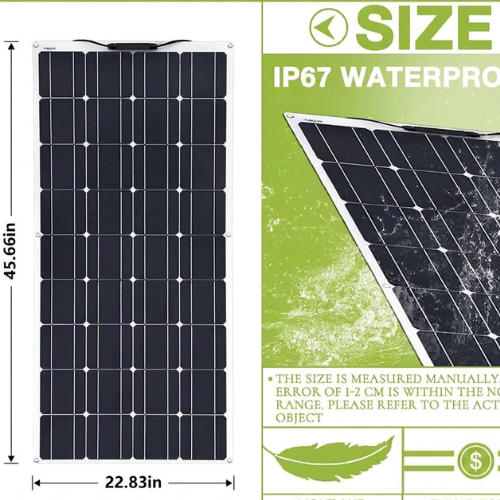
1600W Solar Panel Kit — MPPT Controller
Older caravans often have weak or dead solar. A fresh kit restores reliable off-grid power on day one.
Buy on Amazon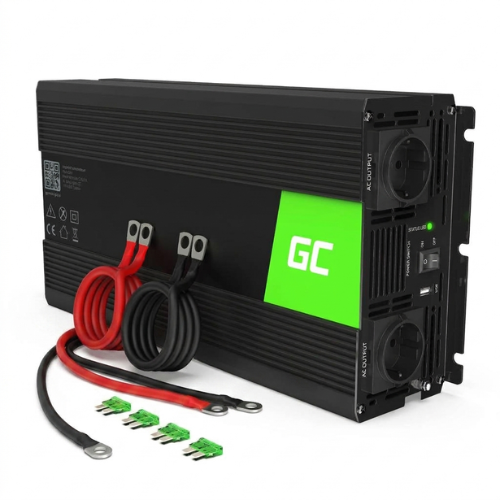
Green Cell 1500W Pure Sine Inverter
Replace an ageing/failing inverter — pure sine output safely runs modern appliances & electronics.
Buy on Amazon
Kilig SubZero 30D — DC Compressor Fridge
If the old fridge is inefficient or dead, a modern low-power DC fridge is the most-loved upgrade.
Buy on AmazonAdvertisement
Frequently Asked Questions
How much does a used caravan cost in India?
Roughly ₹5–9 lakh for older converted vans, ₹9–16 lakh for mid campers 2–5 years old, and ₹16–30 lakh+ for premium recent motorhomes. Price depends on age, build quality, mileage and condition.
What should I check when buying a second-hand caravan?
Most importantly, check for water damage — soft floors, damp smell, stains around windows/roof/cupboards. Then test all electrical, water, gas, fridge/AC and battery systems, inspect the engine/tyres/rust on a test drive, and verify service history and paperwork.
Is it safe to buy a used caravan in India?
Yes, if you inspect carefully and verify documents. The biggest risks are hidden water damage and illegal/unendorsed body conversions. Get a mechanic to check the vehicle and confirm the RC reflects the caravan conversion.
How do I check the paperwork of a used caravan?
Verify the RC matches the chassis/engine number and shows the body modification, confirm valid insurance and fitness, check for pending challans online, ensure any loan is cleared (NOC), and complete the RC transfer promptly after purchase.
What is the biggest risk with a used caravan?
Water damage. Leaks rot the wooden structure and damage electricals, and repairs are expensive and often hidden by fresh paint or panels. A strong damp/musty smell or spongy floor is a reason to walk away.
Where can I find used caravans for sale in India?
Used caravans appear on general vehicle marketplaces, caravan/vanlife communities and social media groups, and through converters who take trade-ins. Inspect in person and never pay in full before verifying the vehicle and documents.
More caravan guides: Caravan Complete Guide | Maintenance & Care | Full-Time Living | Parking & Overnight Rules
Written by Rajiv Sah
Founder, OnRoadCost & Josh Riders | info@onroadcost.com