Caravan Bathroom Accessories — Marine Toilet, Geyser, Shower & Vanity Prices India (2026)

Advertisement
A caravan without a bathroom is just a fancy tent on wheels. In India, where public toilets range from questionable to non-existent on highways, having your own clean, private bathroom is not a luxury — it's a necessity. Especially for families with women and children, a built-in toilet and shower transform the caravan experience from "roughing it" to genuinely comfortable living on the road.
In this comprehensive guide, we cover every aspect of a caravan bathroom: marine cassette toilets, shower systems, hot water, ventilation, waterproofing, and all prices specific to the Indian market in 2026.
Why a Full Bathroom Transforms Caravan Life
Ask any Indian caravan owner what their most-used feature is, and 90% will say the toilet. Here's why a full bathroom is non-negotiable:
Hygiene & Dignity: Indian highway toilets are infamous. Having your own clean, private toilet means no exposure to unhygienic conditions. Essential for women, elderly, and children.
Night-time Convenience: No stepping out in the dark at 2am to find a bush or public toilet. Your bathroom is 3 steps away.
Independence: You're not tied to campsite toilet facilities. Park anywhere — a beach, a mountain top, a city street — and you're self-sufficient.
Hot Showers: After a long drive or day of exploring, a hot shower in your own space is rejuvenating. No waiting for shared campsite showers.
Commercial Value: If renting out your caravan, a bathroom doubles its rental potential. No tourist will rent a caravan without a toilet.
Types of Caravan Toilets
There are three main toilet systems used in Indian caravans. Each has different cost, complexity, and maintenance profiles:
1. Cassette Toilet (Most Popular): A permanently mounted toilet with a removable waste tank (cassette) that slides out from an external door. You empty the cassette (15-20L) at dump stations, public toilets, or designated areas. Brands: Thetford C200/C400, Dometic CT series. This is the most common choice for Indian caravans due to ease of maintenance and no plumbing to black water tank.
2. Composting Toilet: Separates liquids and solids. Solids are mixed with coconut coir and decompose naturally. No water needed, no chemicals. Eco-friendly but requires specific emptying and composting process. Brands: Nature's Head, Separett. Less popular in India due to hot climate accelerating odour.
3. Macerator Toilet: Similar to a household toilet but with a macerator pump that grinds waste and pumps it to a black water holding tank. Feels most like a home toilet but needs complex plumbing, a black water tank, and regular pump-outs. Best for larger motorhomes with permanent dump connections.
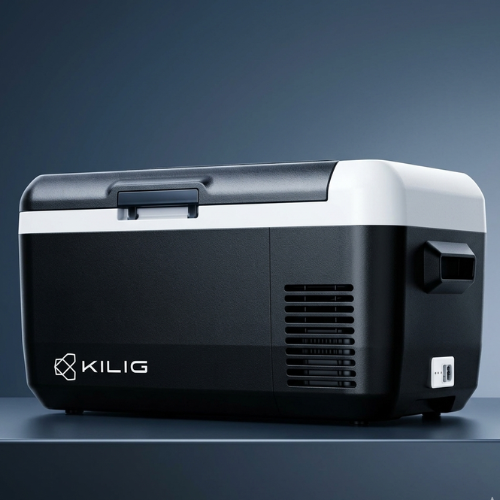
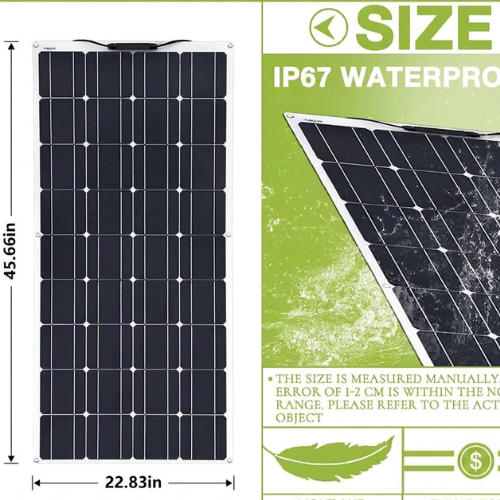
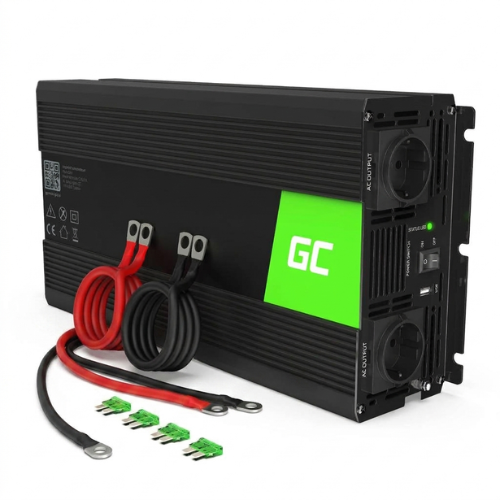
Essential Caravan Equipment — Must Have
Critical components for any caravan build or upgrade:
Complete Bathroom Price Table
| Marine Cassette Toilet (Thetford/Dometic) | ₹15,000 - ₹35,000 |
| Portable Camping Toilet (budget option) | ₹5,000 - ₹10,000 |
| Instant Water Heater (geyser, 6-10L) | ₹4,000 - ₹8,000 |
| Shower Head + Hose Set | ₹2,000 - ₹5,000 |
| Shower Tray/Base (FRP) | ₹5,000 - ₹8,000 |
| Bathroom Ventilation Fan (12V) | ₹1,500 - ₹3,000 |
| Vanity Mirror with LED | ₹2,000 - ₹4,000 |
| Towel Rack + Hooks | ₹500 - ₹1,500 |
| Waterproof FRP Wall Panels | ₹8,000 - ₹12,000 |
| Door (sliding, waterproof) | ₹5,000 - ₹8,000 |
| Anti-slip Flooring | ₹3,000 - ₹5,000 |
| Plumbing (pipes, valves) | ₹3,000 - ₹5,000 |
| Installation/Labour | ₹8,000 - ₹12,000 |
| TOTAL ESTIMATED COST | ₹62,000 - ₹1,16,500 |
Thetford vs Dometic vs Indian Alternatives
Thetford (Netherlands — ₹15,000-35,000): The world leader in caravan toilets. Their C200 (manual flush) and C400 (electric flush) cassette toilets are used in 80% of European motorhomes. Excellent build quality, sealed cassette design prevents odour, and chemical tablets are widely available. Available in India through IndiaMart importers and some RV dealers.
Dometic (Germany — ₹20,000-40,000): Close competitor to Thetford. Their CT series offers similar quality with slightly different design aesthetics. Swivel bowl option is great for small bathrooms. Slightly harder to source in India but available through marine equipment dealers.
Chinese Alternatives (₹5,000-12,000): Brands like Seaflo and Jabsco offer marine toilets at lower prices. Build quality is acceptable for budget builds. The main trade-off is seal quality — cheaper toilets may develop odour leaks after 1-2 years. Still functional but expect earlier replacement.
Portable Camping Toilets (₹3,000-8,000): Brands like Dometic 972/976 are standalone units that don't need permanent mounting. Great as a starter or backup but less comfortable for daily use. No permanent plumbing needed — just place in the bathroom area.
How a Cassette Toilet Works
Understanding the cassette system helps you maintain it properly:
1. Bowl & Seat: Looks and feels like a regular toilet. Mounted permanently to the bathroom floor.
2. Flush: Uses a small amount of water from your fresh tank (manual lever or electric button). Some models have a built-in 15L flush tank to separate from the main water supply.
3. Blade Seal: A sliding seal between the bowl and cassette. Opens when you flush, closes to seal odour. This is the most critical component — keep it lubricated with silicone spray.
4. Cassette (Holding Tank): A removable 15-20L tank that holds all waste. Accessed from an external door on the side of the caravan. When full, you slide it out, carry it to a dump point, empty, rinse, and replace. Takes 5 minutes.
5. Chemical Treatment: You add chemical tablets or liquid (₹300-500 per treatment) to the cassette after emptying. This breaks down waste, prevents odour, and makes emptying cleaner. One treatment lasts 3-5 days for 2 people.
Emptying Frequency: For 2 people using the toilet normally, a 20L cassette needs emptying every 3-4 days. Tip: use public toilets when available to extend cassette life.
Where to Empty in India: Any public toilet with a drain (pour slowly), campsite dump stations, or service station toilets. Never dump in nature, water bodies, or public spaces.
Ventilation Importance (Mold Prevention)
A bathroom in a sealed caravan produces humidity from showers that, without ventilation, causes mold within weeks. Proper ventilation is critical:
Exhaust Fan (12V): A 12V marine-grade exhaust fan mounted in the ceiling or high wall extracts moisture during and after showers. Look for models with a humidity sensor that auto-activates when moisture levels rise. Run it for 15-20 minutes after every shower.
Passive Vent: A small passive vent (mushroom vent) on the roof provides constant air circulation even when the fan is off. Prevents stale air and reduces condensation overnight.
Waterproof Surfaces: FRP (Fiberglass Reinforced Plastic) wall panels are standard for caravan bathrooms. Unlike tile, they're lightweight, seamless (no grout to mold), and completely waterproof. Clean with a wipe — no scrubbing needed.
Essential Caravan Equipment — Complete Your Setup
Whether buying or renting, these 3 components make the biggest difference in your caravan experience:
Hot Water Options for Shower
Electric Instant Geyser (₹4,000-6,000): Compact 6-10L units from Havells or Crompton. Heats water on demand. Uses 2-3kW power — needs shore power or large battery + inverter. Most common choice for caravans with 10kW+ battery systems.
Gas (LPG) Water Heater (₹8,000-12,000): Instant hot water without any electrical load. Perfect for caravans with LPG cooking setup — same cylinder powers both. Brands: Paloma, Rinnai (via IndiaMart). Needs ventilation for exhaust gases.
Engine Heat Exchanger (₹5,000-8,000): Free hot water after driving. A heat exchanger coil in the engine coolant loop heats a small tank (10-15L). Great for evening showers after a day of driving. Zero running cost but only works after sufficient driving.
Frequently Asked Questions
Q: Does a cassette toilet smell?
Not when properly maintained. The blade seal keeps odour locked in the cassette. Adding chemical treatment after every empty eliminates smell. If you detect odour, it's usually a worn seal (replace every 2-3 years) or forgotten chemical treatment. In normal operation, there is zero smell inside the caravan.
Q: How much does toilet chemical cost per month?
Chemical tablets/liquid costs ₹300-500 per treatment. With 2 people, you empty every 3-4 days = roughly 8-10 treatments per month = ₹2,400-5,000 per month. Budget alternative: use eco-friendly enzyme-based treatments (₹200-300 per dose) that are cheaper and biodegradable.
Q: Can I use an Indian-style (squat) toilet in a caravan?
Technically possible but not recommended. Squat toilets need a floor-level installation that's harder to seal against leaks during travel. They also take more floor space and are harder to connect to a cassette system. Western-style seats are standard in caravans worldwide for practical reasons.
Q: How much water does each shower use?
A normal shower uses 40-60L. A navy shower (wet-soap-rinse) uses 8-12L. With a 180L fresh tank, that's 3-4 navy showers per person before refill. We recommend navy showers on the road and normal showers only at campsites with water hookups.
Q: Is a caravan bathroom big enough to be comfortable?
A typical caravan bathroom is 1.2m × 0.9m (about 1 square metre). It's compact but functional. The toilet, sink, and shower share the same space (wet bathroom design). The entire bathroom becomes the shower — water drains through the floor. You get used to the size within days, and it beats any highway toilet by miles.
Q: Can two people get ready simultaneously in a caravan bathroom?
No — it's designed for one person at a time. However, you can install a separate vanity mirror with LED outside the bathroom (in the bedroom area) for getting ready, brushing teeth, etc. This way one person showers while the other uses the external mirror for grooming.
Want to see where your entire caravan budget goes? Check our complete ₹13 lakh breakdown
Complete Cost Breakdown →Need Help With Your Caravan Build?
For professional caravan builds with complete bathroom setups, contact Pro Camper India: procamperindia@gmail.com
Related Articles
🔋 Caravan Battery System — 10kW Lithium Setup Guide
☀️ Caravan Solar Panel Setup — 550W to 880W Guide
🚿 Caravan Water System — Tank, Pump & Plumbing
🍳 Caravan Kitchen — DC Fridge, Induction & Microwave
🚽 Caravan Bathroom — Marine Toilet & Shower
📋 Complete Caravan Build — ₹13 Lakh Breakdown
Rajiv Sah
Automotive & caravan enthusiast covering on-road costs, accessories, and build guides for Indian travellers. Researching caravan builds since 2024.