Caravan Kitchen Accessories — DC Fridge, Induction Cooktop, Sink & Microwave Prices India (2026)
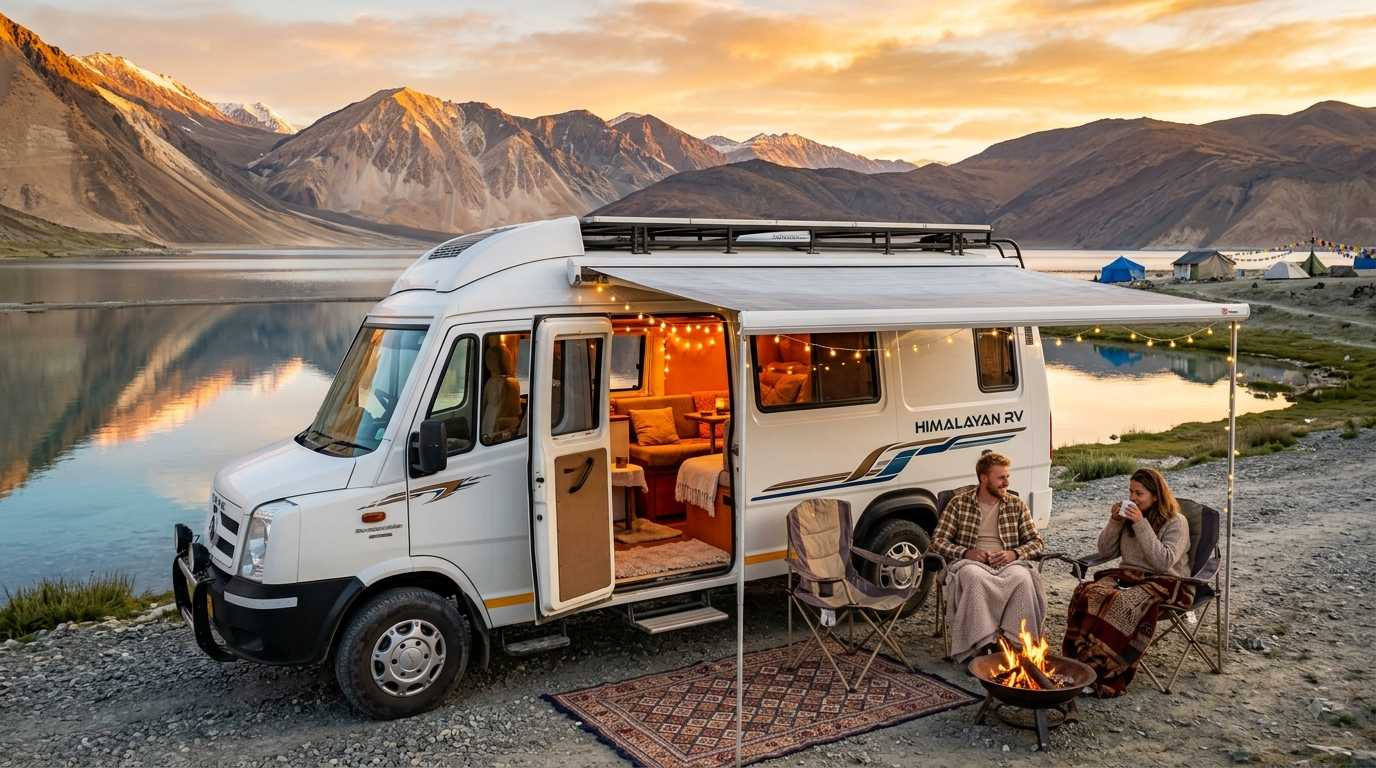
Let's be honest — Indians cook 3 full meals a day. We don't do sandwiches for lunch and cold cereal for breakfast like Western RV travellers. Dal-chawal, roti-sabzi, morning chai — our food culture demands a proper kitchen in any caravan. A well-equipped caravan kitchen lets you eat fresh, healthy, home-cooked food every day on the road without spending ₹500-1000 per meal at dhabas.
In this guide, we cover the complete caravan kitchen setup for India: DC compressor fridge, induction cooktop, stainless steel sink, microwave, cabinets, and all the accessories you need. With exact prices, brand recommendations, and practical tips from experienced caravan builders.
Why a Proper Kitchen Matters in Indian Caravans
Western motorhomes often have minimal kitchens because their food culture allows it. In India, cooking is central to daily life. Here's why investing in a proper caravan kitchen pays off:
Cost Savings: Eating out 3 times/day for 2 people costs ₹800-1500/day. Cooking your own food costs ₹200-400/day. Over a month of travel, that's ₹12,000-33,000 saved.
Health: Highway dhaba food is often oily and unhygienic. A caravan kitchen lets you control ingredients, cleanliness, and nutrition.
Dietary Needs: Vegetarian, Jain, vegan, or medical diet requirements are hard to maintain eating out. Your own kitchen gives you complete control.
Comfort: Morning chai made exactly how you like it, fresh paratha for breakfast, dal-chawal for lunch. That's the caravan life worth living.
L-Shaped Kitchen Layout Advantages
Most Indian caravan builders prefer an L-shaped kitchen layout for several practical reasons:
Space Efficiency: Fits in the corner of the caravan without blocking the walkway. The L-shape provides more countertop area than a straight galley kitchen in the same footprint.
Workflow Triangle: Fridge, sink, and cooktop form a natural cooking triangle — minimizing movement while cooking in a small space.
Storage Below: Both legs of the L provide under-counter cabinet space for pots, pans, groceries, and the fridge (built into the counter).
Overhead Cabinets: The L-shape allows overhead cabinets on two walls, maximizing storage for plates, cups, spices, and dry goods.
Essential Caravan Equipment — Must Have
Critical components for any caravan build or upgrade:
Complete Kitchen Price Table
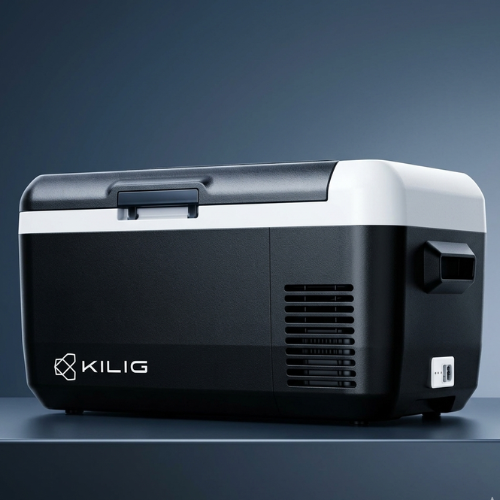
| DC Compressor Fridge 50-60L (Dometic/Alpicool/BougeRV) | ₹25,000 - ₹45,000 |
| Separate Ice Box (20L) | ₹3,000 - ₹5,000 |
| Induction Cooktop (single burner, 1500-2000W) | ₹2,000 - ₹5,000 |
| Stainless Steel Sink (compact) | ₹3,000 - ₹6,000 |
| Kitchen Faucet (swivel) | ₹1,500 - ₹3,000 |
| Microwave Oven (20L compact) | ₹6,000 - ₹10,000 |
| LPG Setup (5kg cylinder + regulator + burner) | ₹4,000 - ₹5,500 |
| Overhead Cabinets (marine-grade latches) | ₹15,000 - ₹25,000 |
| Countertop (granite/solid surface) | ₹8,000 - ₹15,000 |
| Utensil Storage Drawer System | ₹5,000 - ₹8,000 |
| Kitchen Exhaust Fan | ₹1,500 - ₹3,000 |
| LED Task Lighting | ₹2,000 - ₹3,000 |
| Installation/Fabrication | ₹10,000 - ₹15,000 |
| TOTAL ESTIMATED COST | ₹84,000 - ₹1,43,500 |
DC Fridge vs Regular Fridge
This is one of the most important decisions in a caravan kitchen. A DC compressor fridge is essential — here's why you should never use a regular household fridge in a caravan:
No Inverter Loss: A DC fridge runs directly from your 12V/24V battery. A household fridge needs an inverter (DC→AC conversion), losing 10-15% energy in the process. Over 24/7 operation, that's significant.
Vibration Resistance: DC compressor fridges are built for marine and vehicle use. They handle road vibration, tilting, and movement without issues. A household fridge compressor can fail within months in a moving vehicle.
Temperature Maintenance: DC fridges are heavily insulated to maintain temperature with minimal compressor run time. They cycle on/off efficiently, drawing only 40-60W average despite peaks of 150-200W at startup.
Compact Design: Built to fit in tight spaces with front-opening or top-opening options. Household fridges are designed for flat floors and wall placement.
Brand Recommendations for DC Fridge
Dometic (Premium — ₹40,000-60,000): The gold standard in RV refrigeration. German engineering, excellent temperature control, whisper-quiet operation. Models like CFX 50 and CFF 45 are favourites among Indian caravan builders. Available on Amazon India and through RV dealers.
Alpicool (Mid-range — ₹25,000-35,000): Chinese brand with excellent value. Models like C50 and CF55 offer 90% of Dometic quality at 60% of the price. Good app control, dual-zone options available. Widely available on Amazon India.
BougeRV (Budget — ₹20,000-30,000): Newer brand targeting the overlanding market. Solid 12V compressor fridges at aggressive pricing. Build quality is improving with each generation. Best option for budget builds.
Godrej/Samsung (Not recommended): Household fridges are tempting due to lower price and local availability. But they will fail in a moving vehicle — compressor damage, poor insulation for mobile use, and no DC input. Avoid.
Induction vs Gas Debate
Both have their place in an Indian caravan kitchen. Here's when to choose what:
Induction Cooktop (₹2,000-5,000):
Pros: No gas cylinder to carry (weight/safety), no flames (safer for rentals), easy to clean, precise temperature control, can use battery/solar power. Modern induction cooktops work great for making chai, boiling rice, heating curries, and stir-frying.
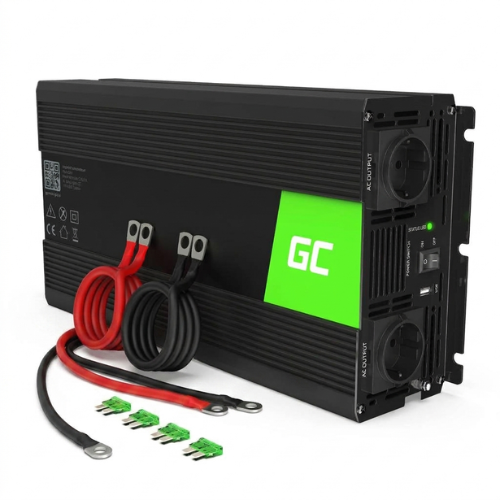
Cons: Uses 1500-2000W (drains battery if cooking long), only works with flat-bottom induction-compatible cookware, can't do proper tandoor-style roti. Needs a good inverter.
LPG Gas Burner (₹2,000-4,000 + cylinder ₹1,500):
Pros: No electricity needed, works with all cookware, faster high-heat cooking, better for chapati/roti, no battery drain. A 5kg cylinder lasts 3-4 weeks of daily cooking.
Cons: Needs ventilation (CO risk), heavier (5kg cylinder + regulator), fire risk, needs periodic refilling (available at all gas agencies).
Our Recommendation: Install BOTH. Use induction for daily chai, reheating, rice, and dal. Use LPG for roti, heavy wok cooking, and when battery is low. This dual-fuel approach gives you maximum flexibility. Total additional cost for LPG: just ₹4,000-5,500.
Sink, Faucet & Countertop
A compact stainless steel sink (400×350mm) with a swivel faucet is standard for caravan kitchens. The swivel feature lets you direct water for both cooking and cleaning. Choose a deep sink (150-180mm) to prevent splashing during travel.
For countertops, granite provides durability and heat resistance (₹8,000-10,000). Corian/solid surface is lighter and seamless but costlier (₹12,000-15,000). Laminate is budget-friendly but not heat-resistant — don't place hot pans directly.
Essential Caravan Equipment — Complete Your Setup
Whether buying or renting, these 3 components make the biggest difference in your caravan experience:
Cabinets & Storage
Caravan cabinets need marine-grade latches that lock shut during travel. Without these, every item will fly out when you hit a speed bump. Budget ₹15,000-25,000 for overhead cabinets with:
• Push-to-open/push-to-close latches (no handles to snag clothes)
• Adjustable shelves with retaining bars
• Under-cabinet LED strip lighting
• Utensil drawer with dividers (prevents rattling)
• Spice rack with individual secured compartments
• Pull-out garbage bin (10-15L under counter)
Frequently Asked Questions
Q: How much power does a DC fridge use per day?
A 50L DC compressor fridge uses 40-60W average, which translates to 960-1440Wh (about 1-1.4 kWh) per day. On a 10kW battery system, the fridge alone can run for 7+ days without charging. With solar, it runs indefinitely. This is why DC fridges are far superior to household fridges run through inverters.
Q: Can I cook Indian food on induction in a caravan?
Absolutely! Dal, rice, sabzi, curry, sambar — all work perfectly on induction. The only limitation is roti/chapati — you need special thick tawas and technique. Many caravan cooks make paratha instead (works great on induction) or use the LPG burner just for roti. Pressure cooker cooking is extremely efficient on induction.
Q: Is it safe to carry LPG cylinder in a caravan?
Yes, with proper precautions. The cylinder should be in a sealed, ventilated compartment (bottom-vented, since LPG is heavier than air). Use a gas detector/alarm (₹1,500-2,500) that alerts you to leaks. Always turn off the cylinder valve when not cooking and when driving. Thousands of Indian caravans use LPG safely.
Q: Do I need a microwave in a caravan?
It's a luxury, not a necessity. A 20L microwave (₹6,000-10,000) is great for reheating leftovers, making popcorn, heating milk, and quick cooking. It uses 800-1000W for short bursts (3-5 minutes). If you have a 10kW battery and solar, the power draw is manageable. Skip it if you're on a tight budget or have limited counter space.
Q: What cookware works best for caravan cooking?
Stackable stainless steel cookware with flat bottoms (induction-compatible) is ideal. Get a set that nests together to save space. A 2L and 3L pressure cooker, one kadhai, one tawa, and a saucepan cover 95% of Indian cooking. Avoid glass lids — they break with vibration. Use stainless steel or silicone lids.
Q: How do I handle cooking odours in a small caravan?
Install a 12V exhaust fan (₹1,500-3,000) directly above the cooking area, venting through the roof or wall. Open a window when cooking oily/spicy food. A small range hood with a carbon filter (₹3,000-5,000) helps if you cook frequently. Avoid deep frying in the caravan — it coats everything in oil residue.
Next: Setting up your caravan bathroom with marine toilet and shower
Caravan Bathroom Setup Guide →Need Help With Your Caravan Build?
For professional caravan builds with complete kitchen setups, contact Pro Camper India: procamperindia@gmail.com
Related Articles
🔋 Caravan Battery System — 10kW Lithium Setup Guide
☀️ Caravan Solar Panel Setup — 550W to 880W Guide
🚿 Caravan Water System — Tank, Pump & Plumbing
🍳 Caravan Kitchen — DC Fridge, Induction & Microwave
🚽 Caravan Bathroom — Marine Toilet & Shower
📋 Complete Caravan Build — ₹13 Lakh Breakdown
Rajiv Sah
Automotive & caravan enthusiast covering on-road costs, accessories, and build guides for Indian travellers. Researching caravan builds since 2024.